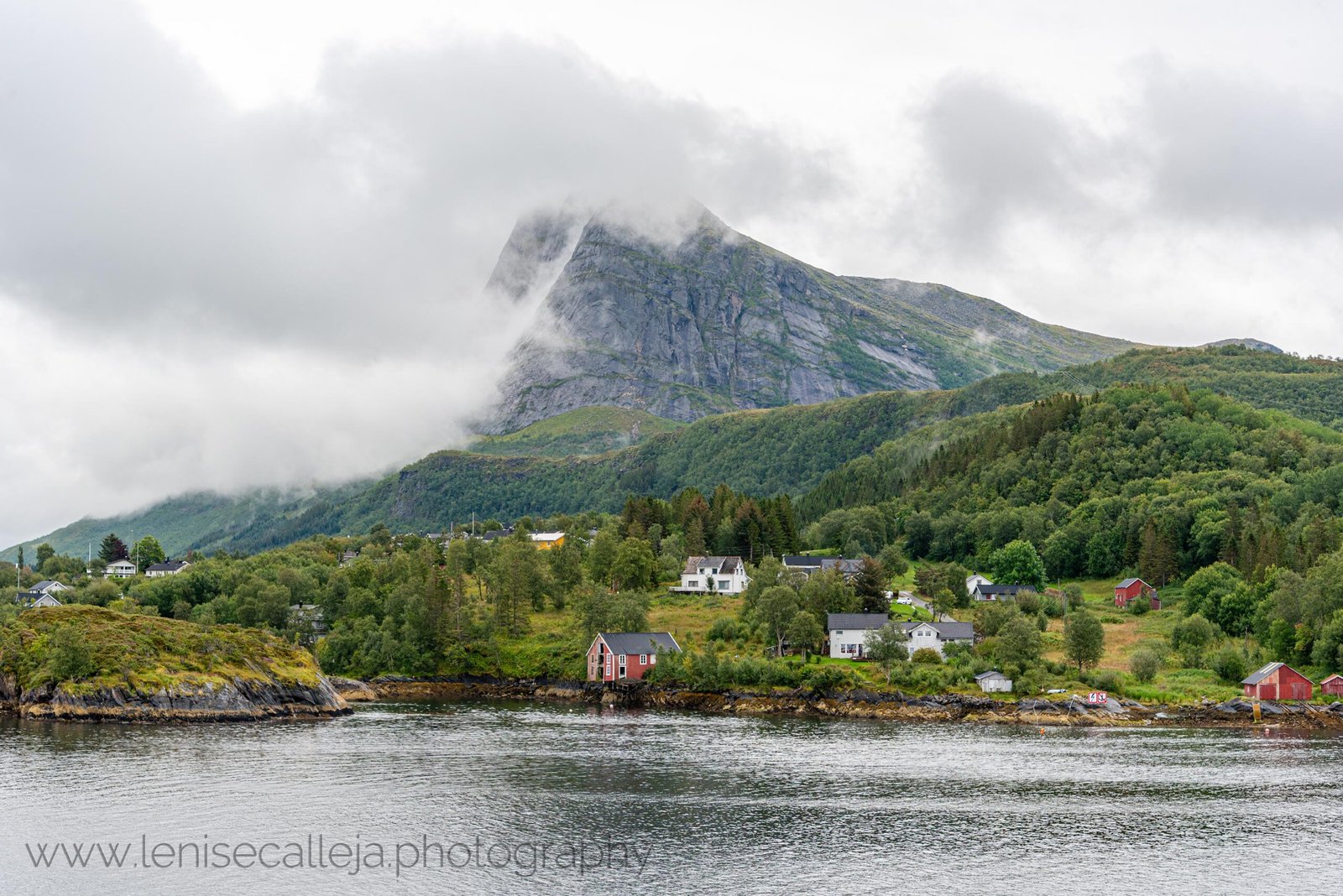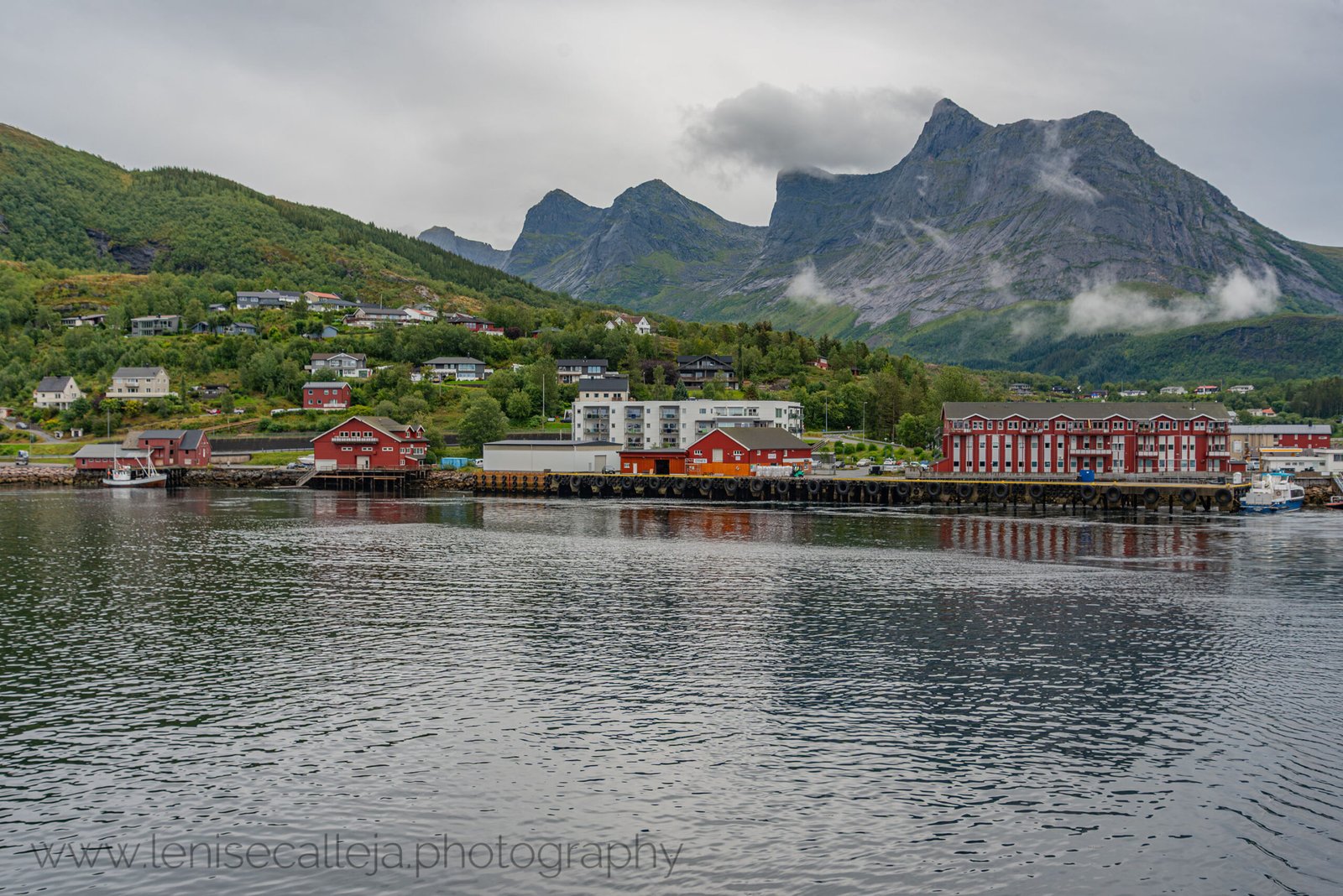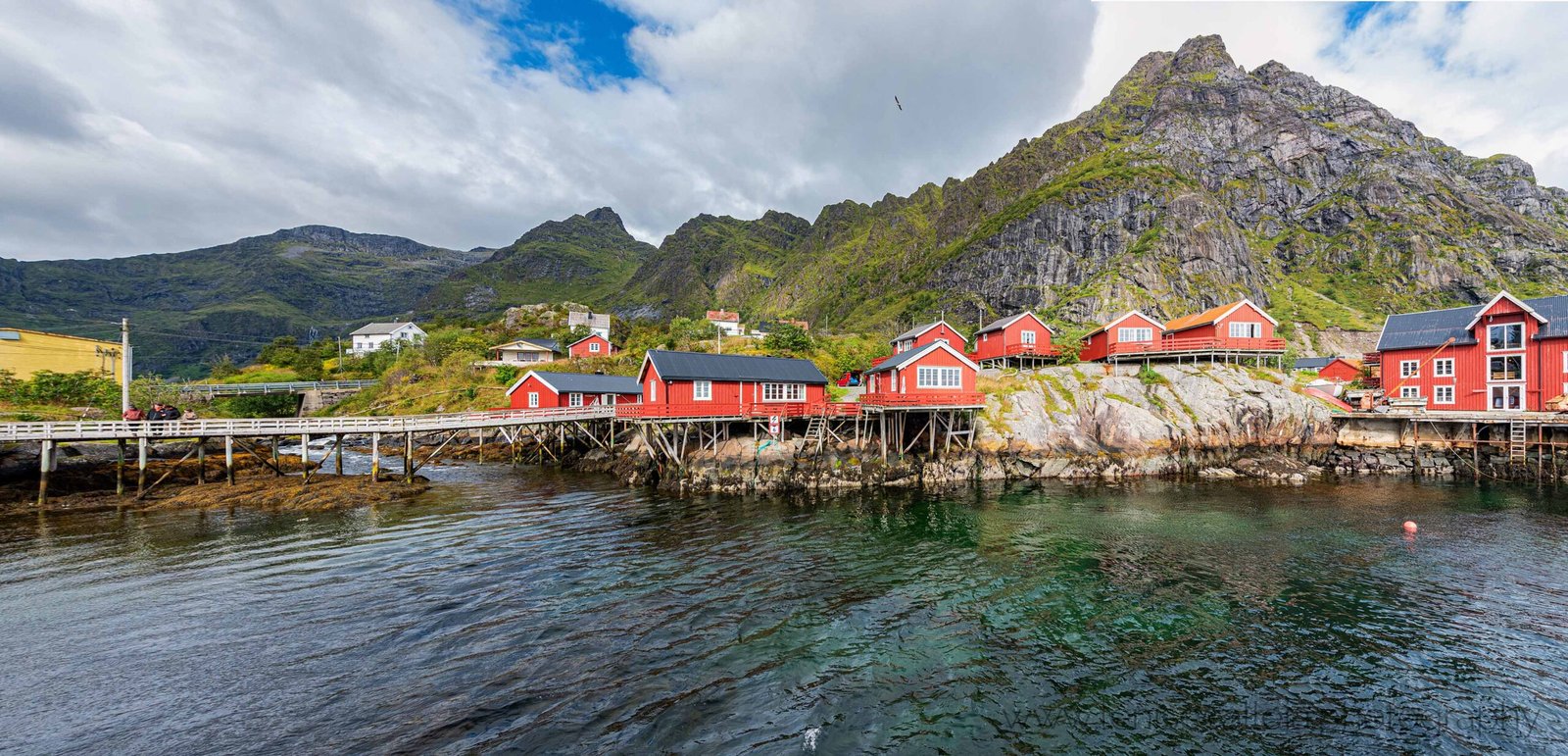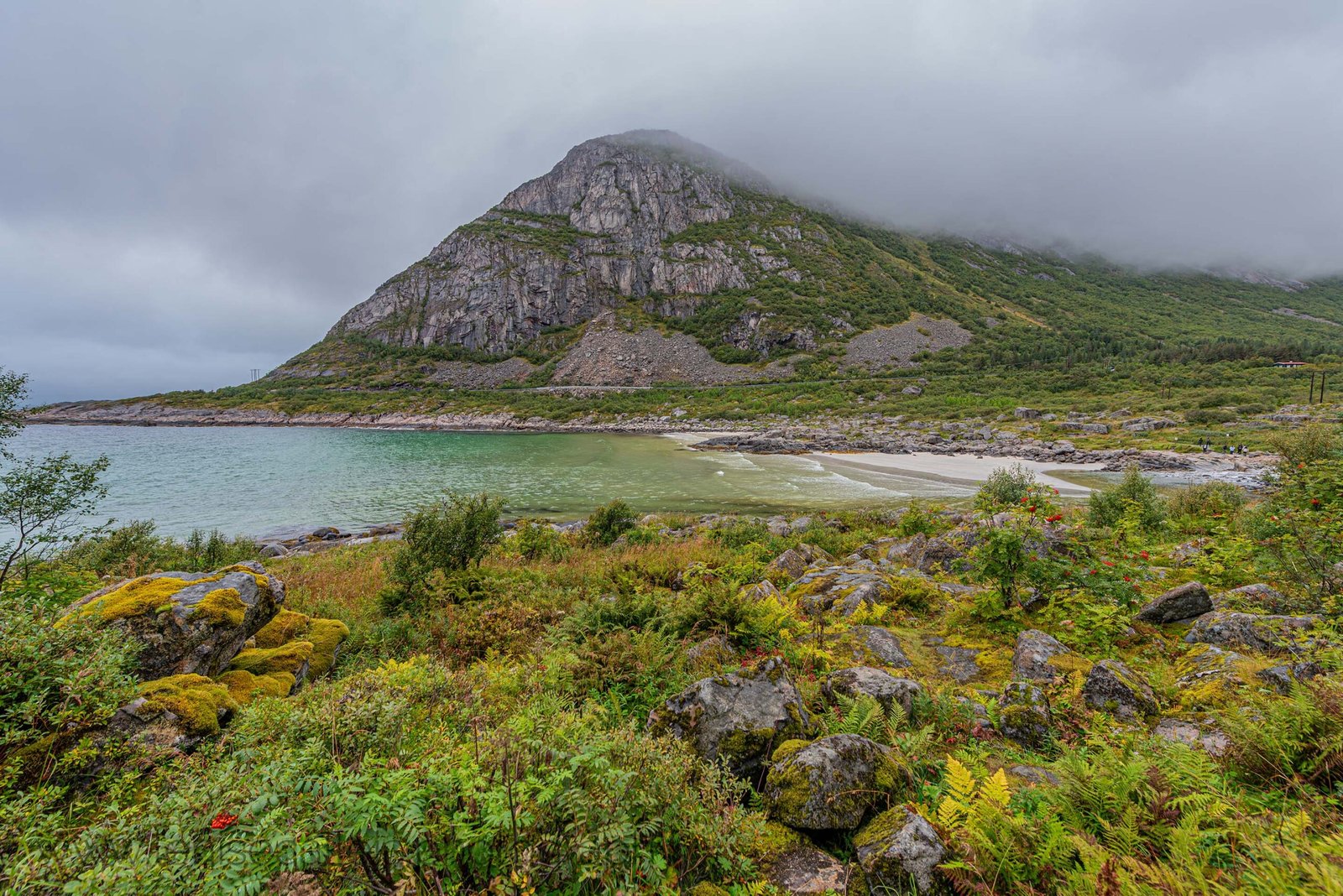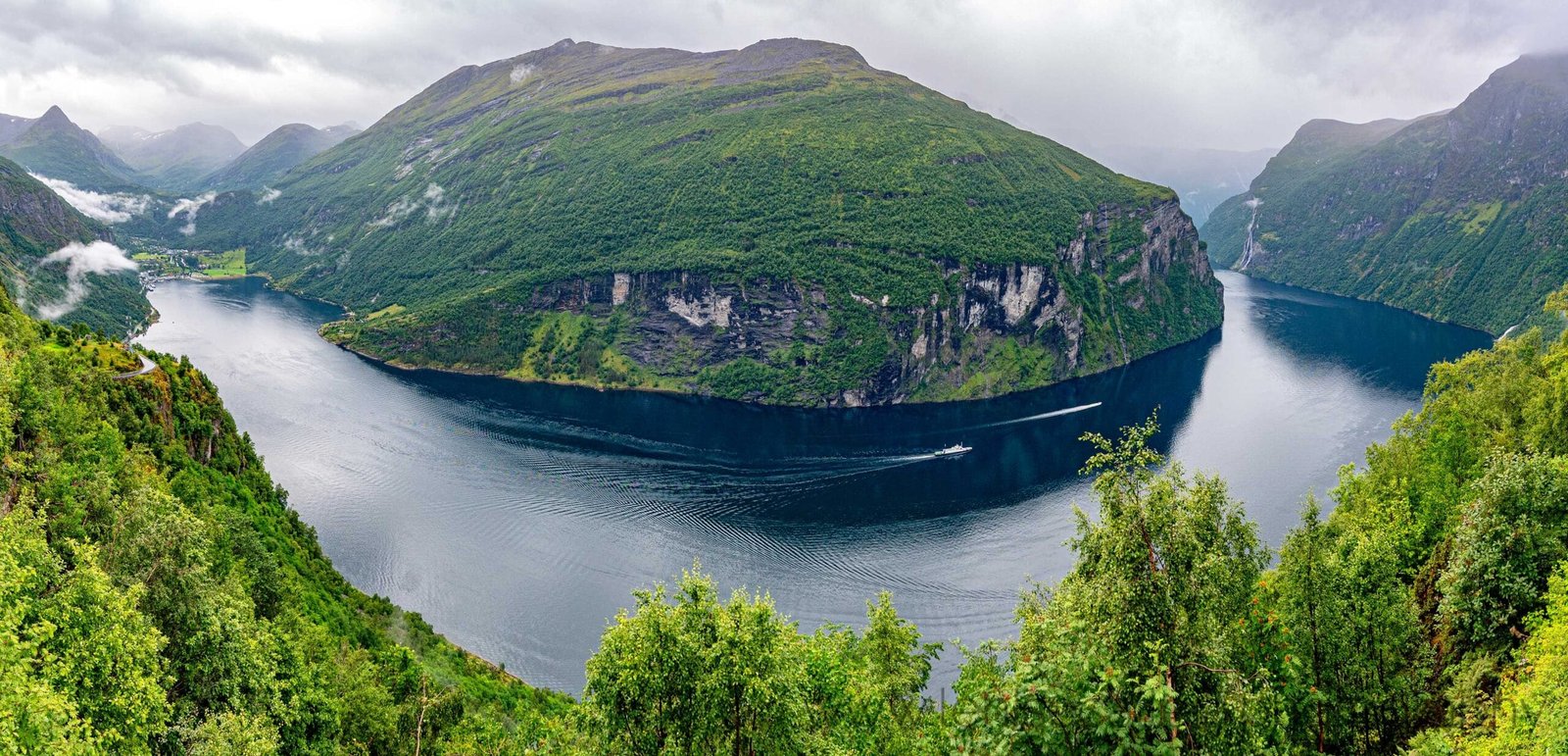
After exploring the spectacular fjords and mountains of Vestland, the second part of our Norwegian adventure took us much further north, to a destination that had been at the very top of my travel bucket list for years: the Lofoten Islands!
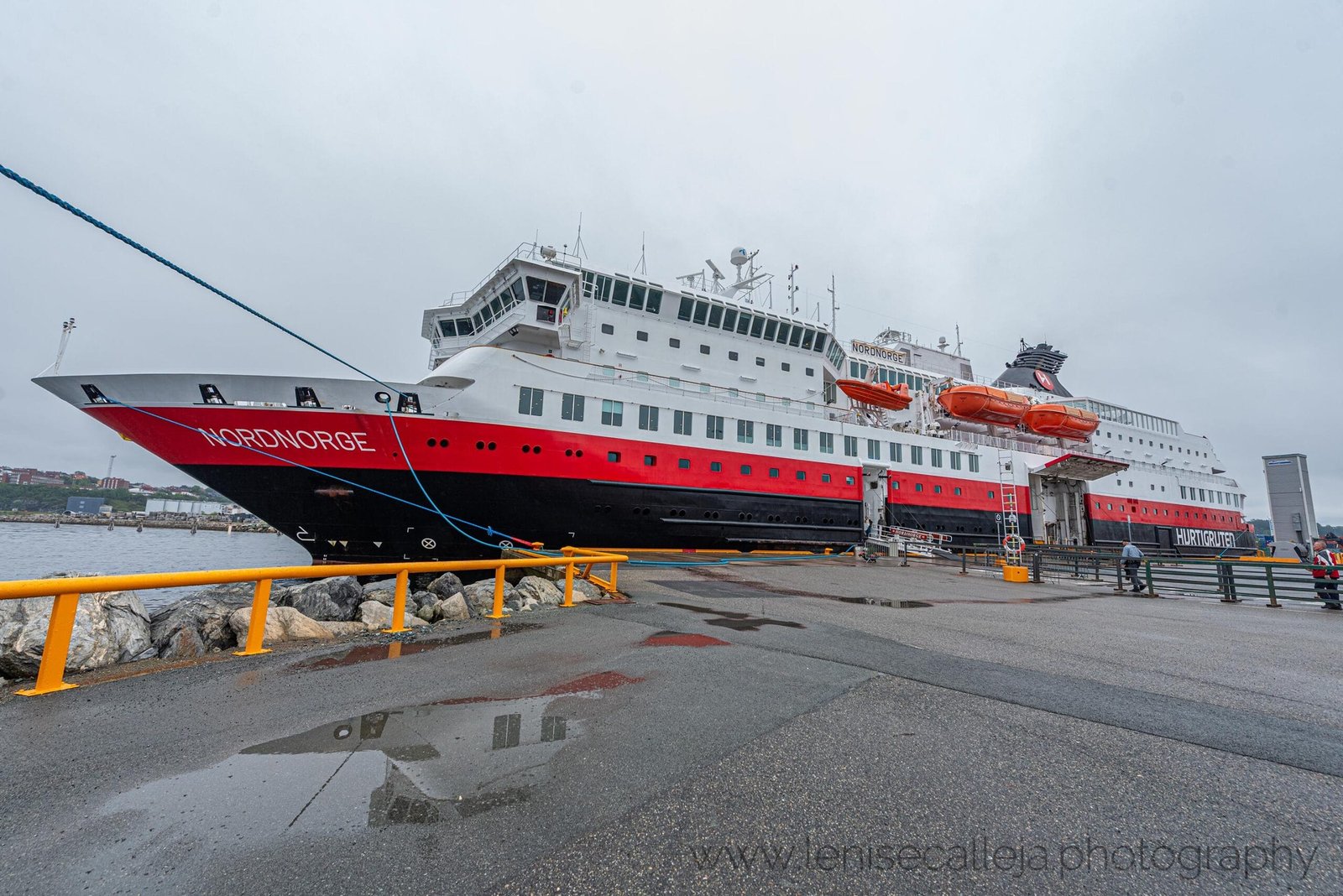
To get there, we embarked on a coastal voyage aboard Hurtigruten, travelling from Bergen towards Northern Norway. After three nights at sea, we continued our adventure by car, spending time exploring the dramatic landscapes of Lofoten before heading to the less-visited Vesterålen Islands.
This part of our trip turned out to be one of the highlights of our Norwegian adventure, combining breathtaking coastal scenery, picturesque fishing villages, dramatic mountains and some unexpected discoveries along the way.
Our trip in a nutshell:
- Dates of Visit: Second half of August 2026
- Travellers: 6 (including 2 kids aged 3 and 8)
- Length of this trip: 15 nights (6 nights in Vestland Region, 3 nights aboard Hurtigruten ship, 6 nights in Nordland region)
- Arrival Port: Svolvaer
- Departure Airport: Evenes
- Transport: Rental Car
- Main interest: natural attractions, wildlife and photography
3 nights aboard Hurtigruten
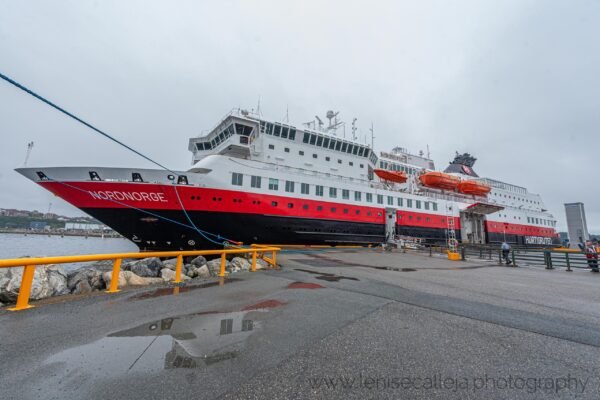
We departed from Bergen on a coastal voyage that would take us to Nordland region for the second part of the adventure. Hurtigruten offers voyages along the coast of Norway and beyond. It stops in several ports: some stops are short but others are longer allowing you to go and explore the town/city visited. You can book a cabin with a private bathroom and there are restaurants on board where you can eat. They also offer excursions (at exorbitant Norwegian standard prices) and there are some shops on board where you can spend some time.
However it is very different from the traditional cruise ships. The main focus is enjoying the scenery (as we wanted to experience Norway from the coast) and there is not much to do onboard. We didn’t choose Hurtigruten for the onboard entertainment or activities. For us, the experience was all about enjoying Norway’s spectacular coastline from the sea. It was also a convenient way to travel north while having a few days to relax between two fairly intensive parts of our road trip. We left the ship when it docked in Svolvaer (in the late evening) so we had roughly 4 days on board and they were just right to give us a break between the 2 parts of our journey, do the laundry and relax. Honestly 4 days were just right for us. I wouldn’t recommend spending a longer period on board when travelling with kids as it might become boring for them.
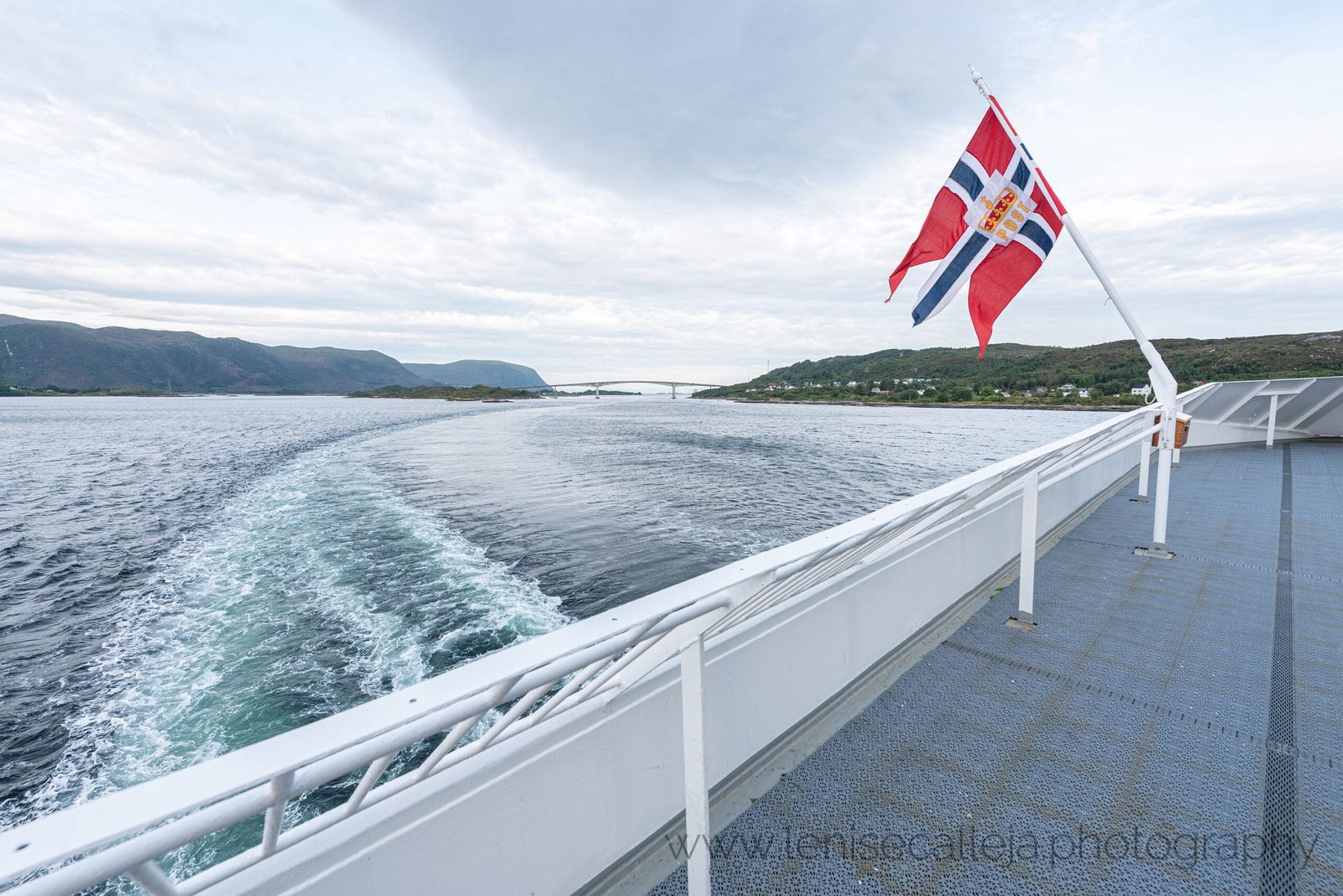
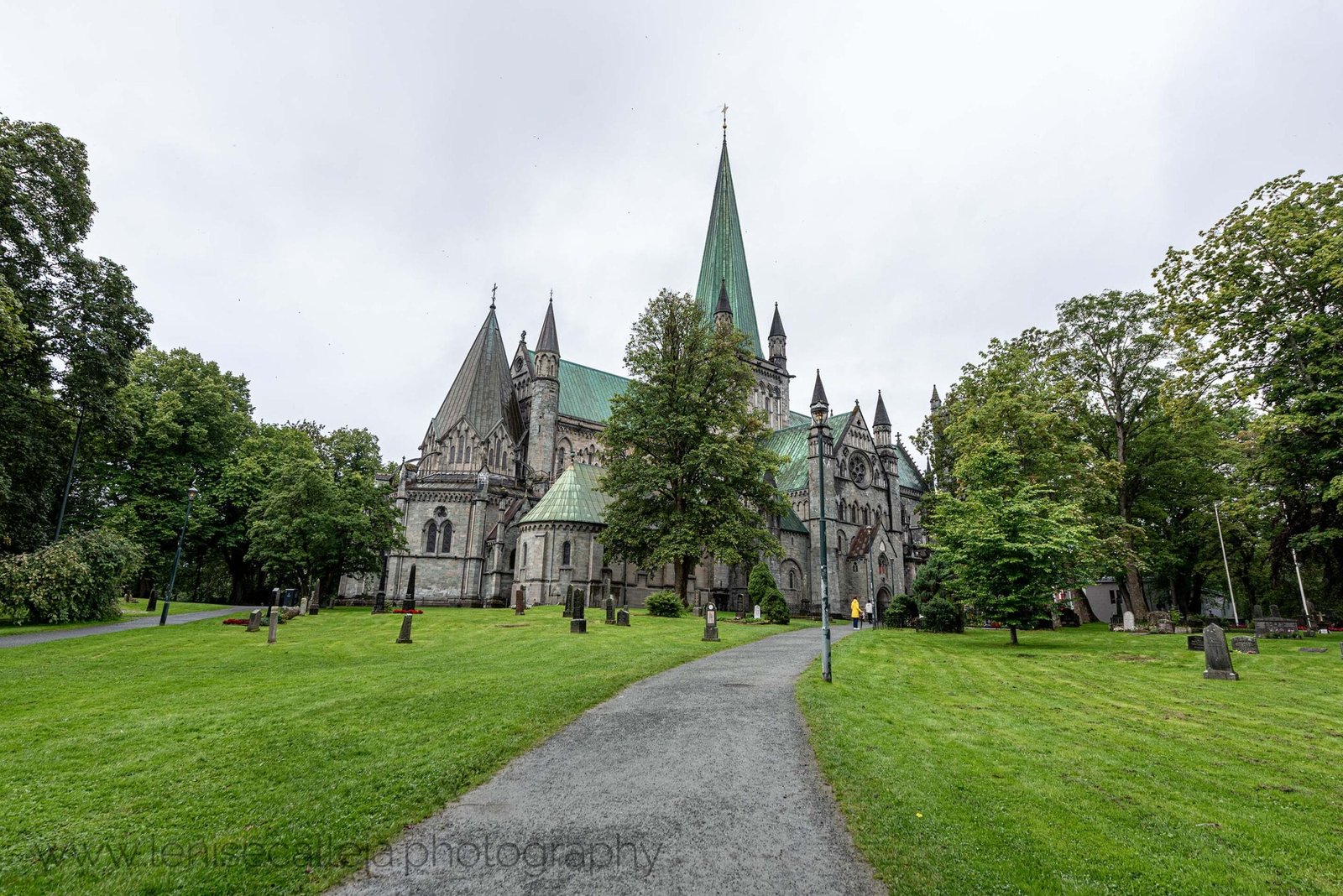
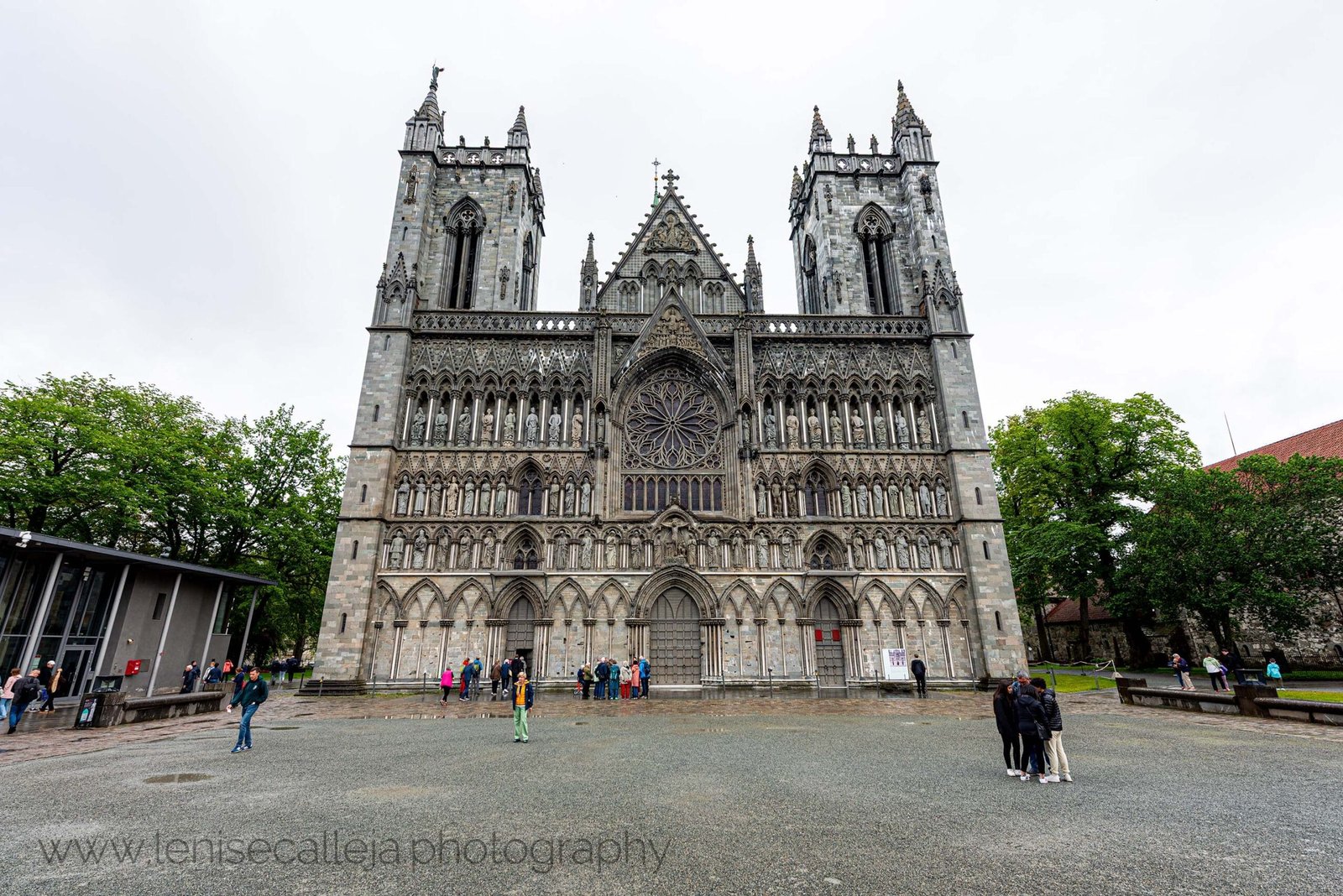
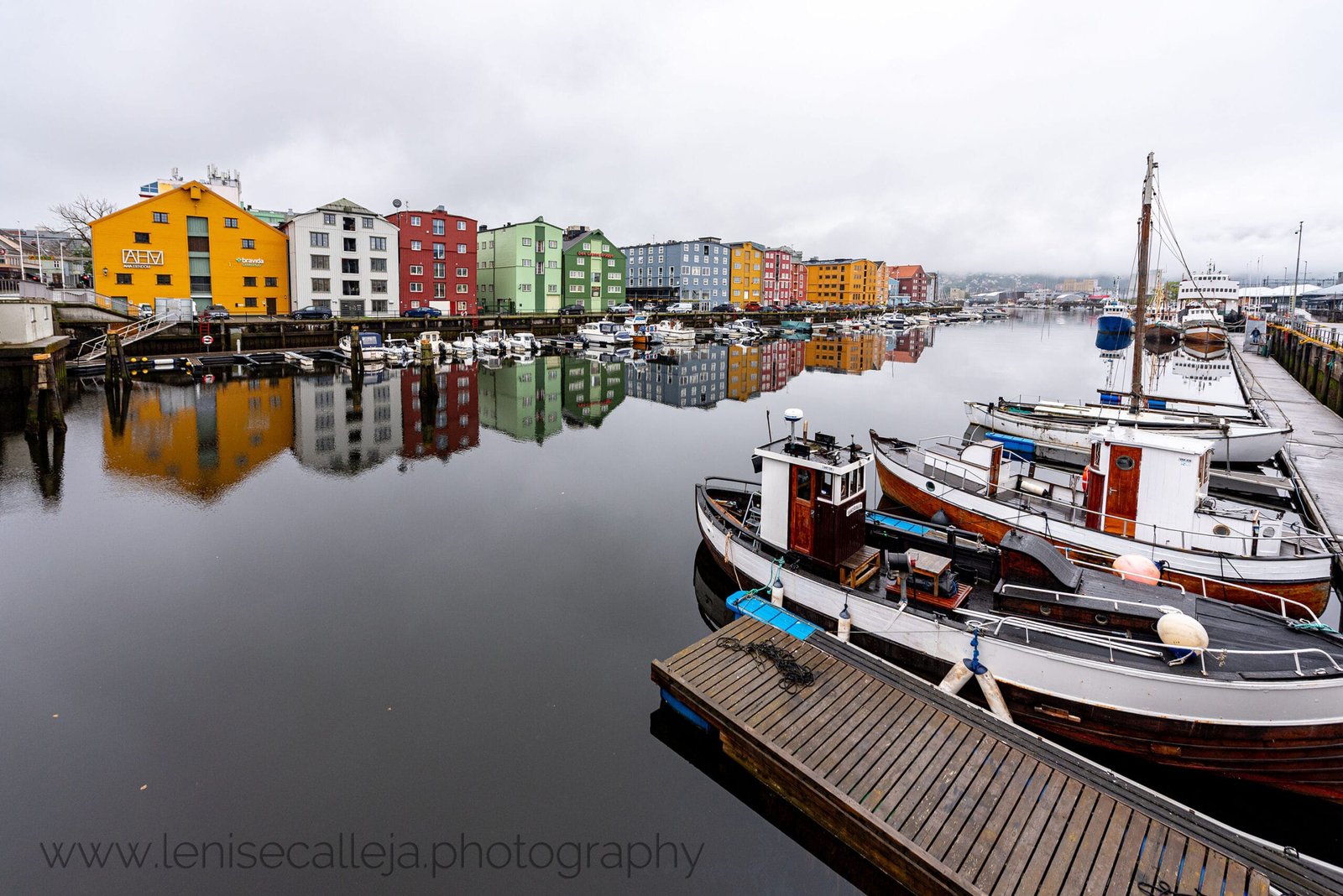
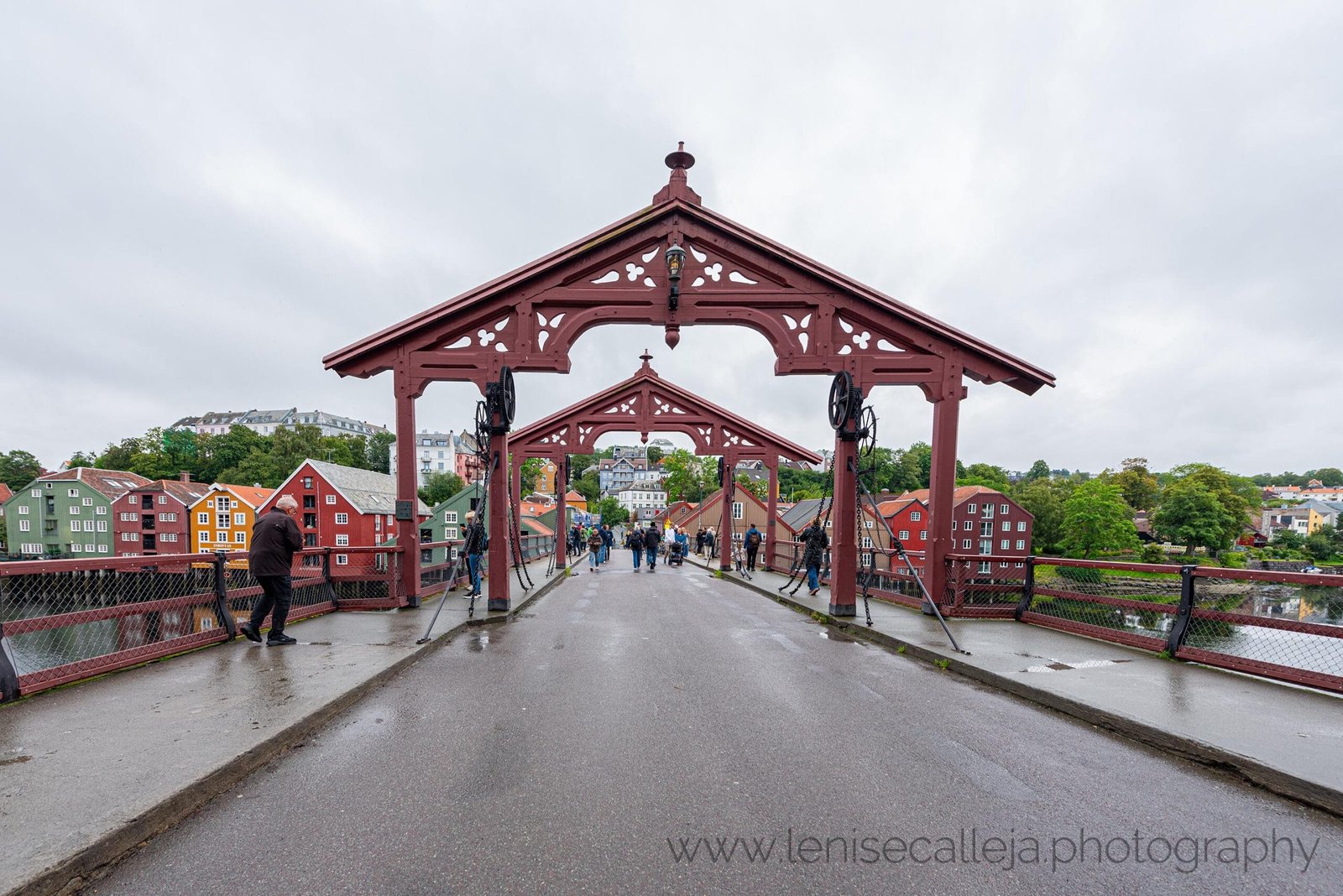
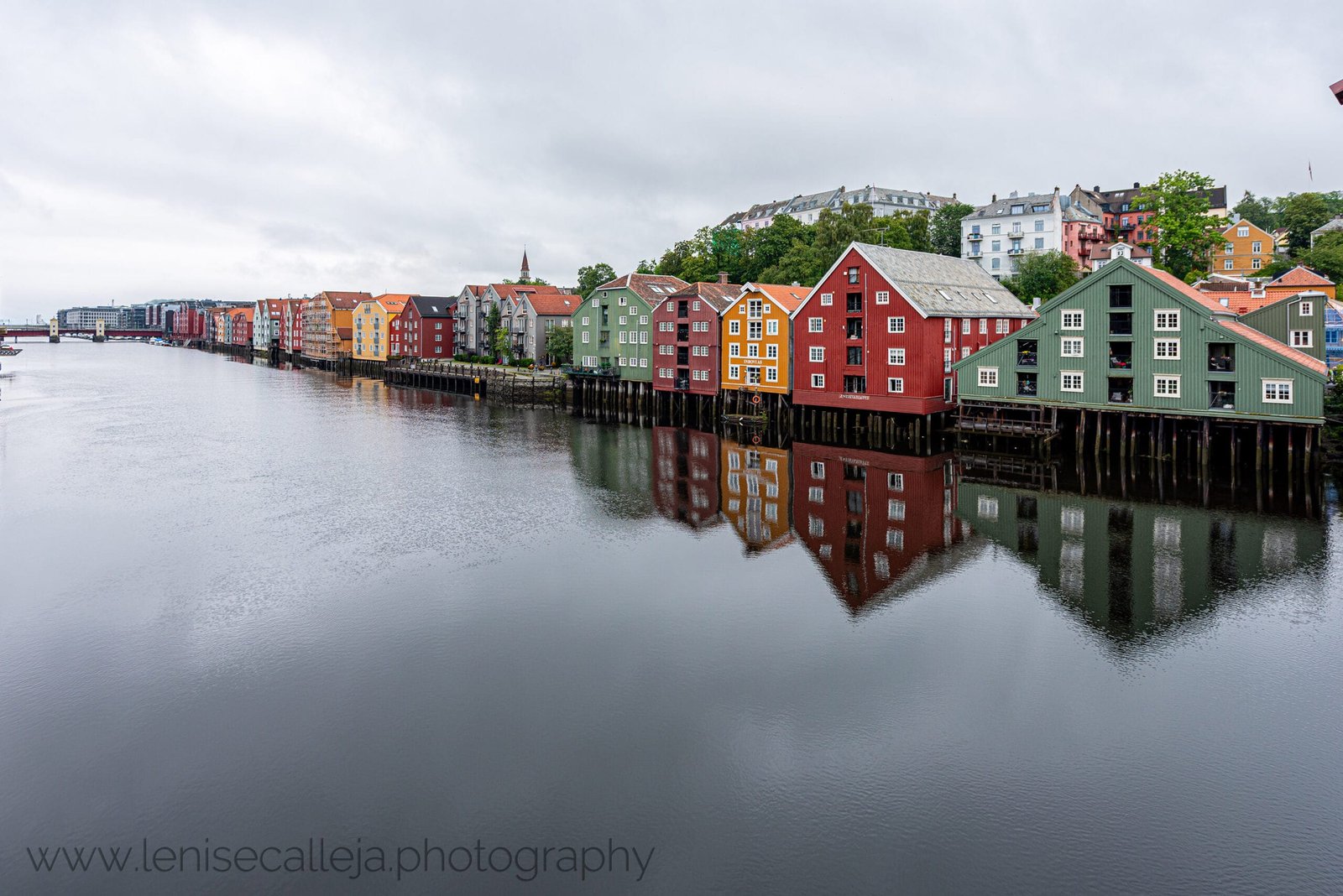
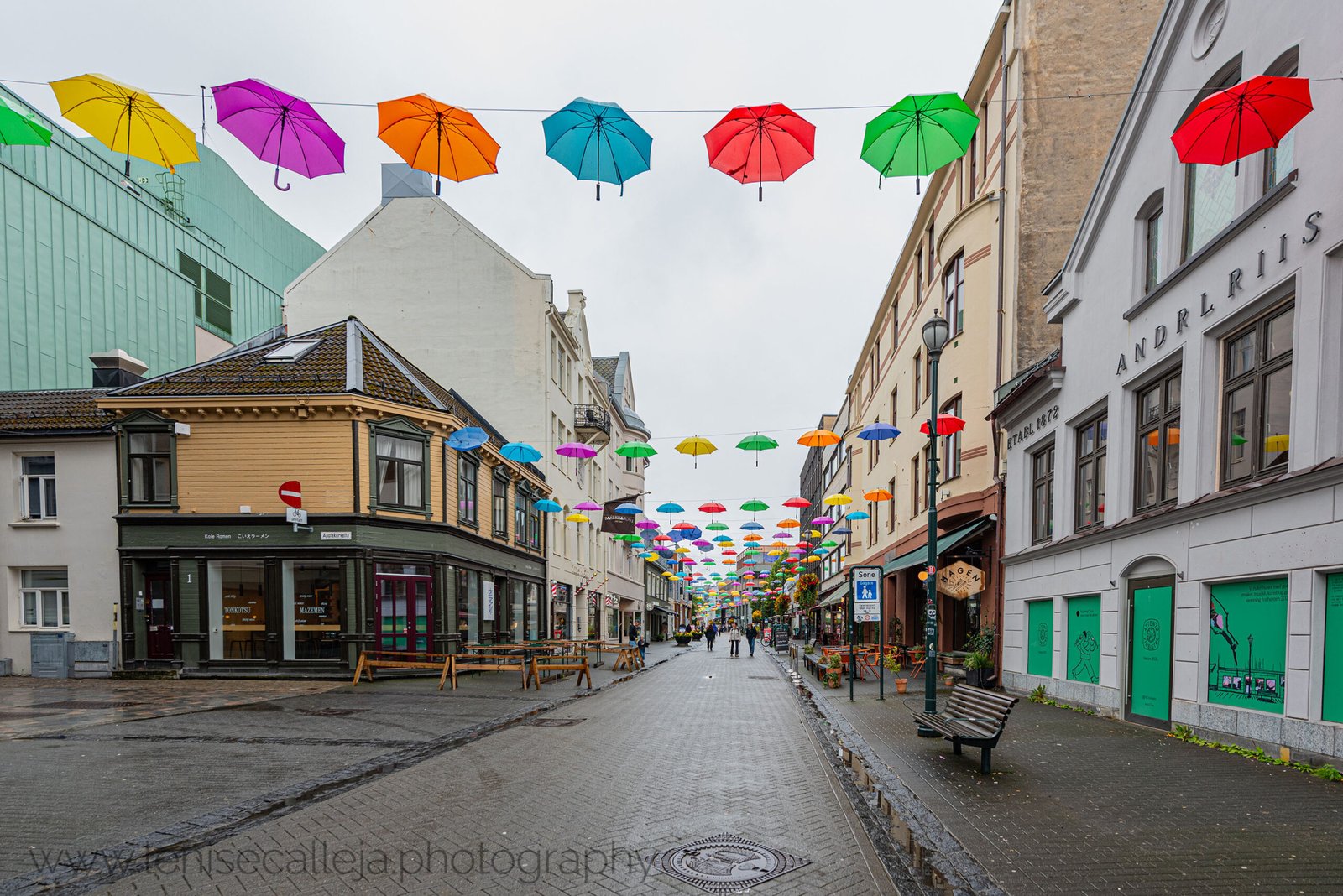
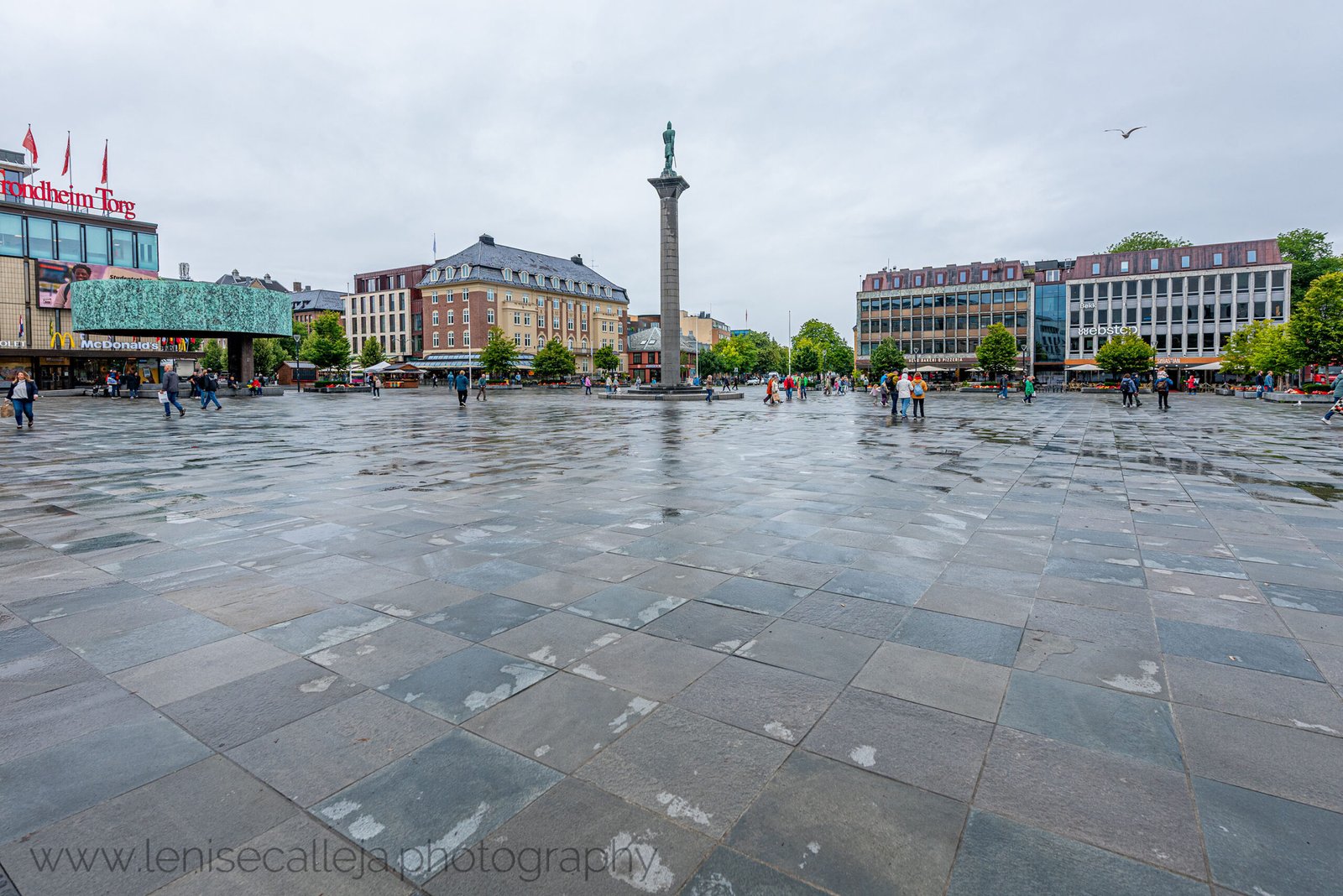
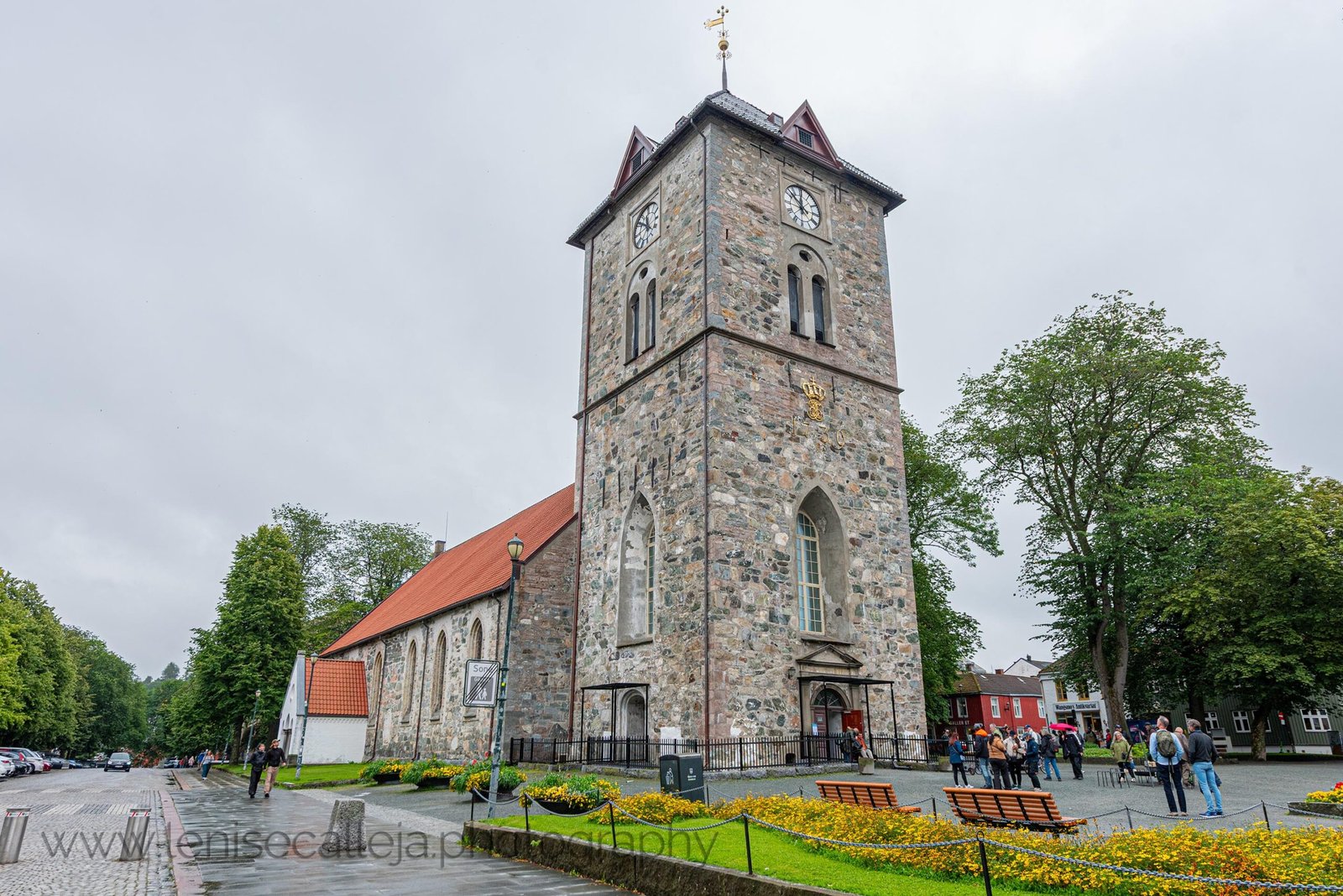
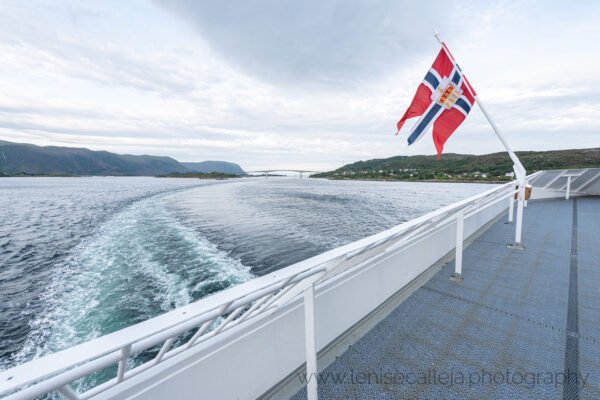
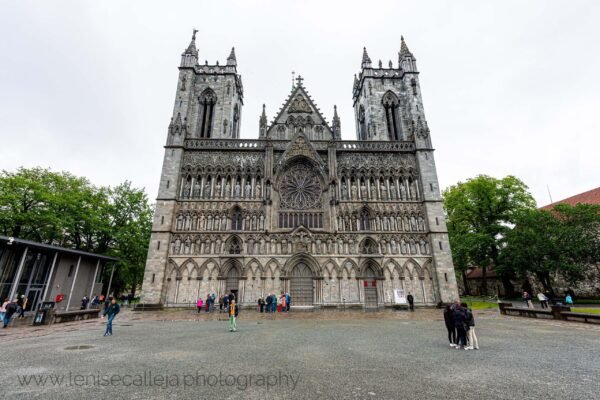
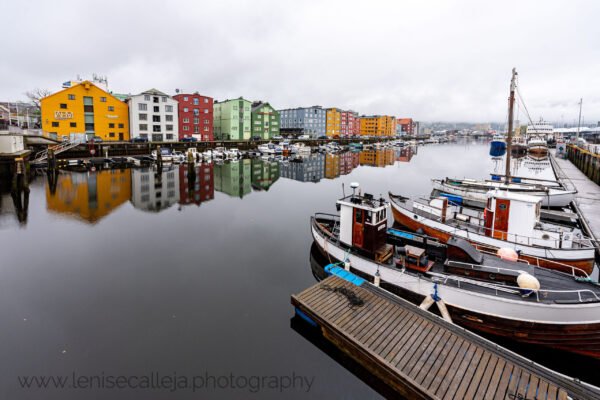
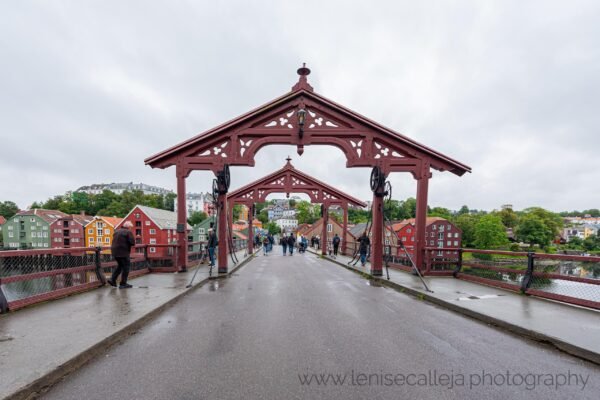
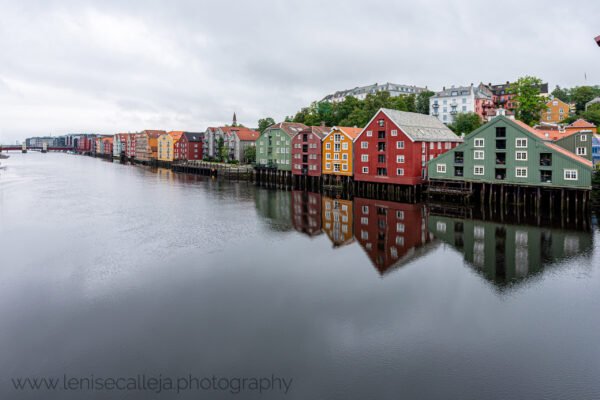
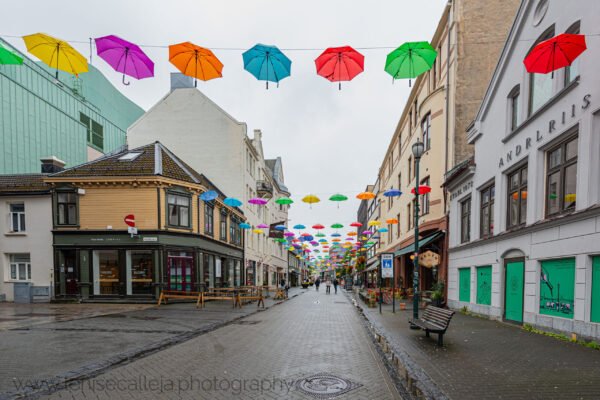
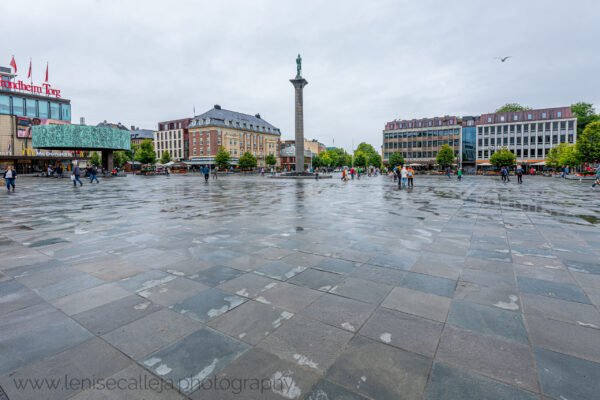
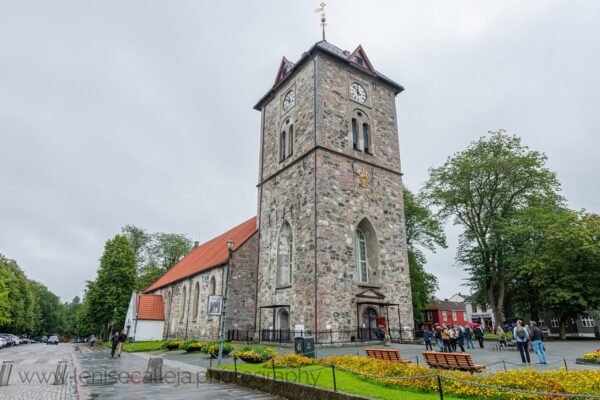
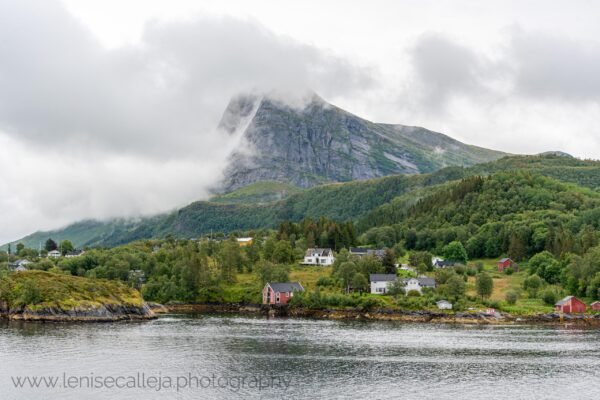
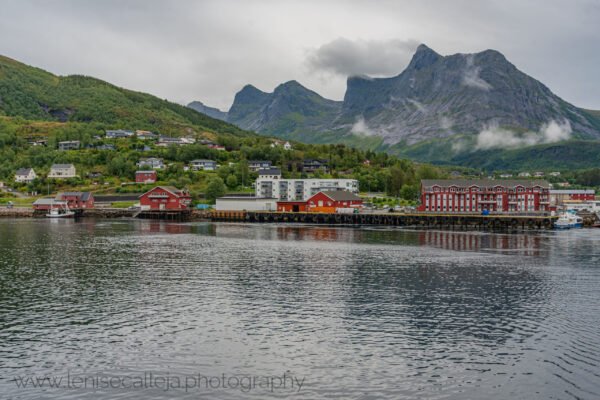
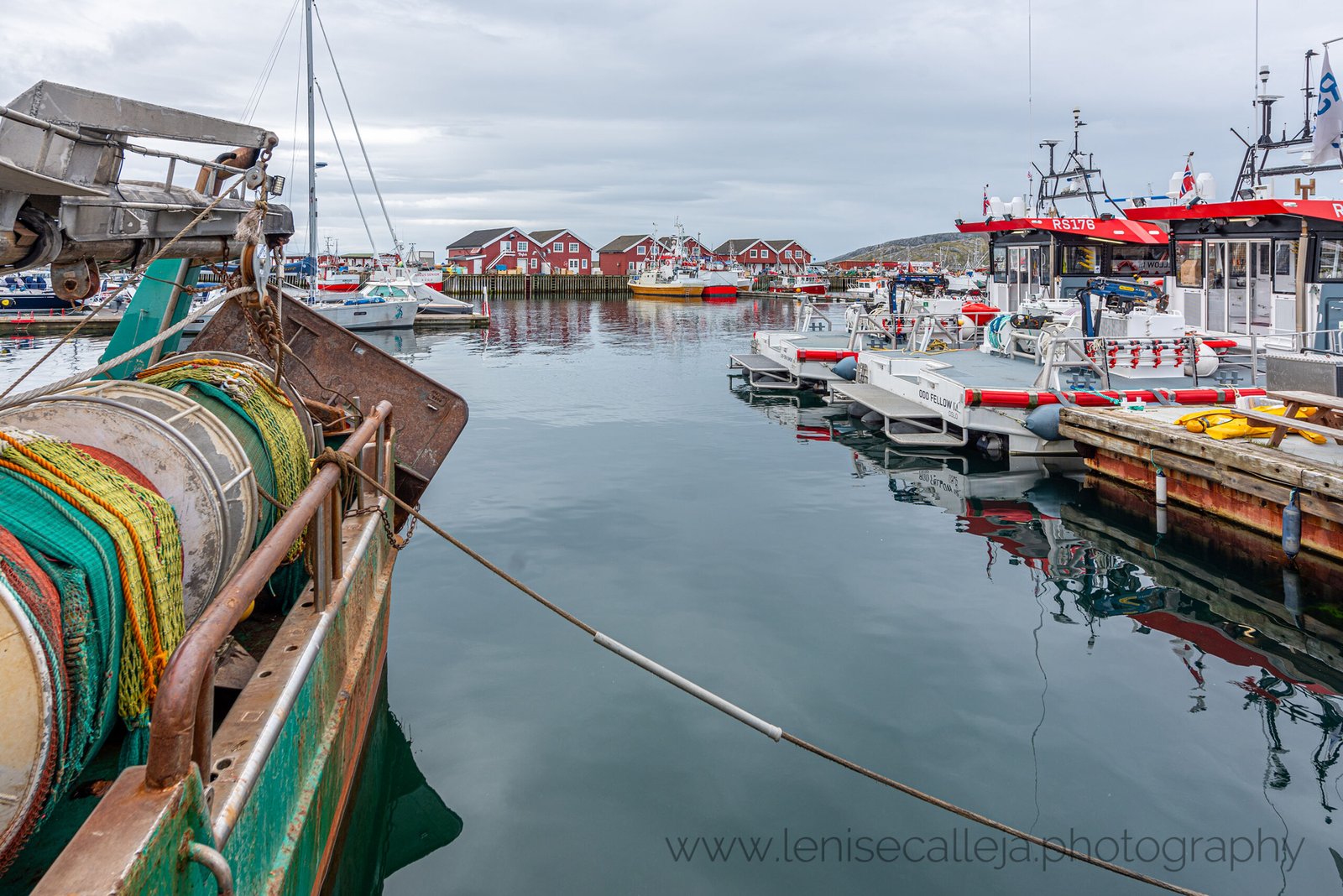
Below are some photos of our stops along the Norwegian coast between Bergen and Svolvaer.
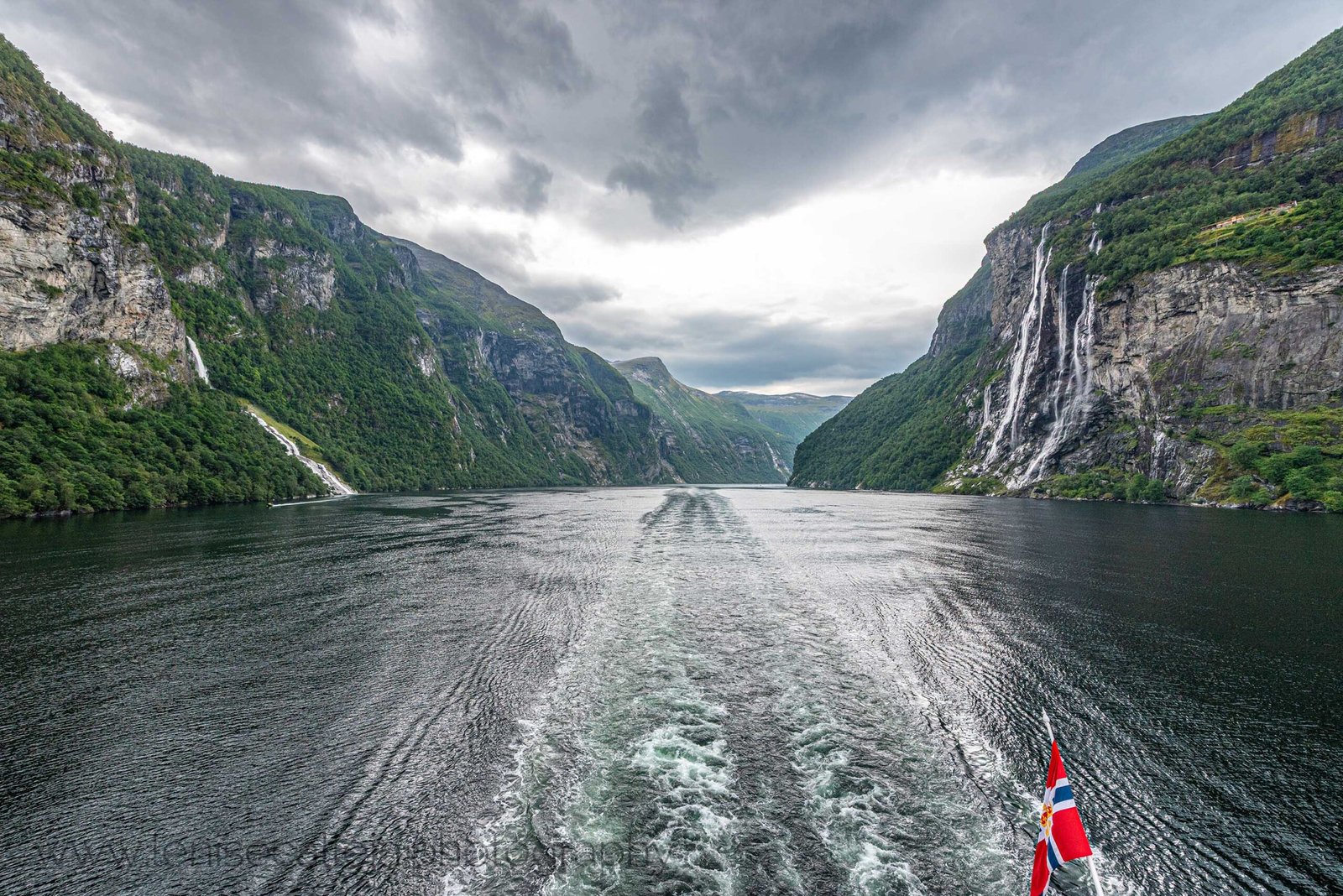
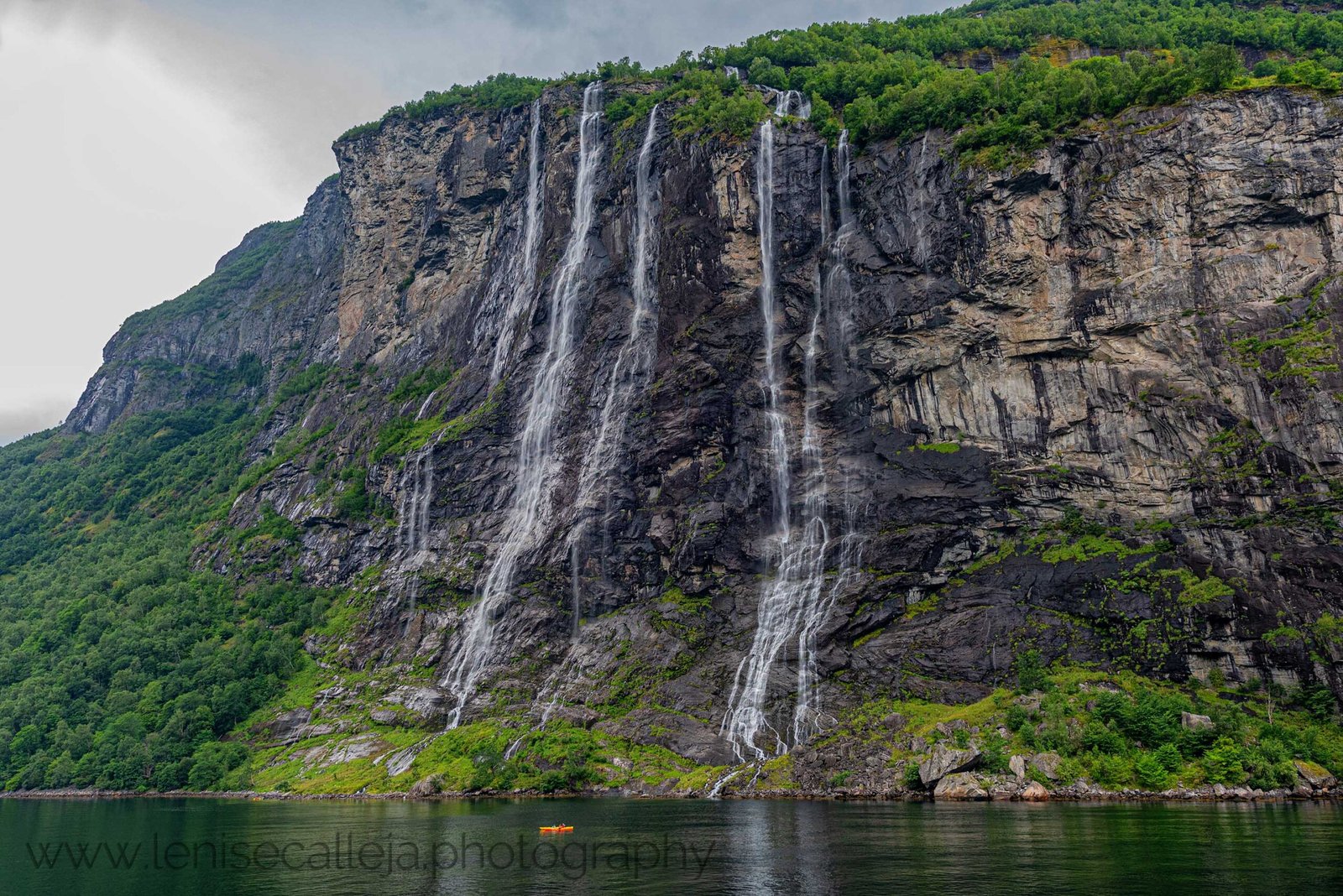
Geirangerfjord
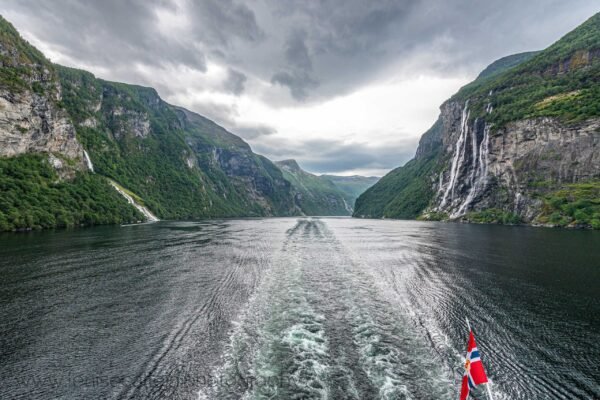
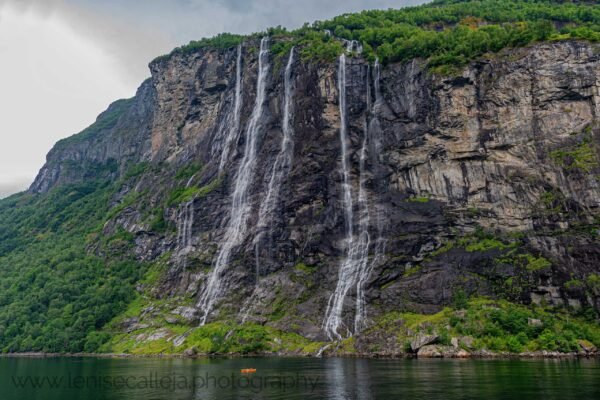
One of the highlights of travelling along the Norwegian coast is the constantly changing scenery. From spectacular fjords and dramatic mountain peaks to charming coastal settlements, there was always something interesting to photograph as we continued north. The Geirangerfjord is the most popular of Norwegian fjords and sailing through it was a dream come true.
Ålesund
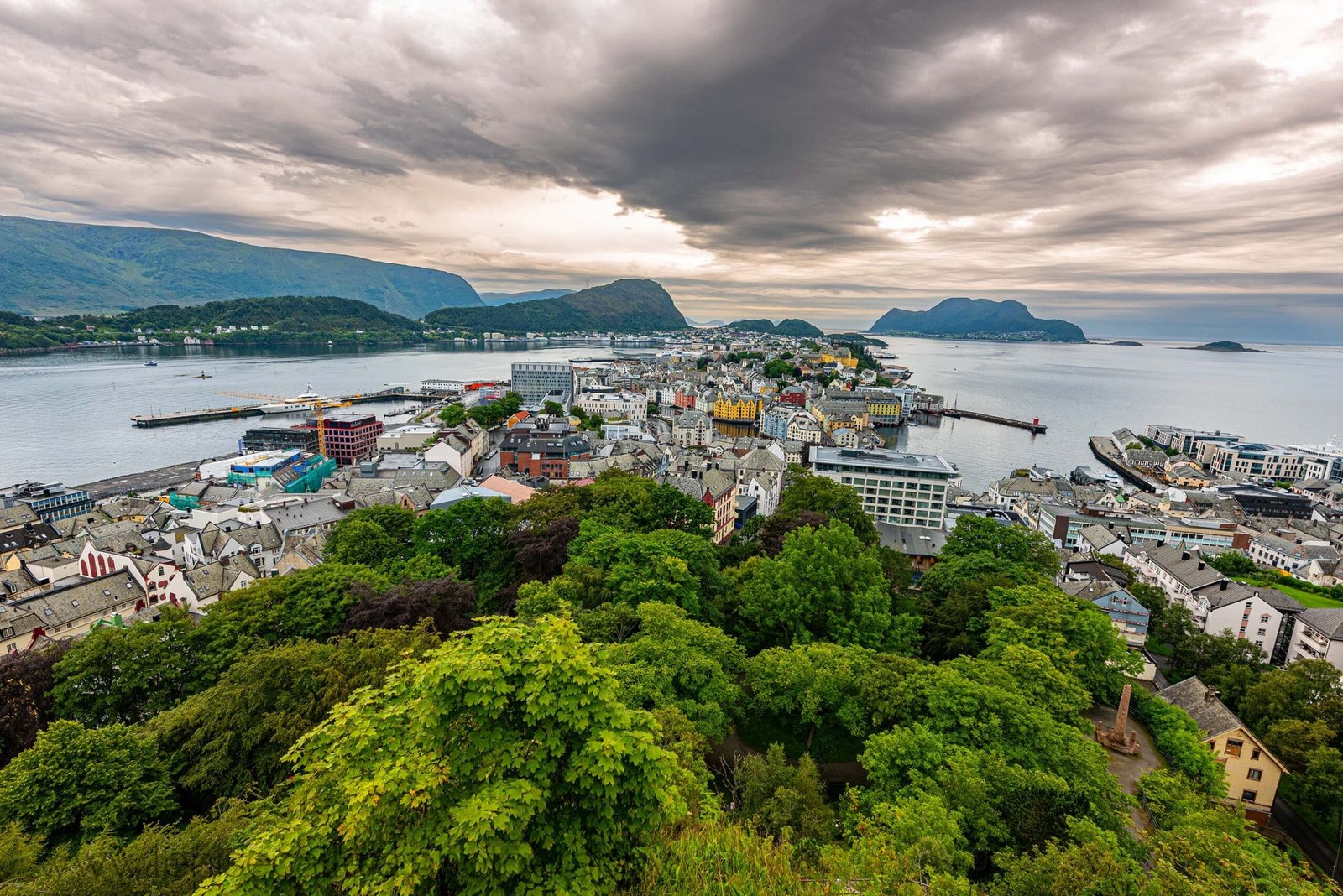
Ålesund was one of the towns we were particularly looking forward to seeing. Its beautiful architecture and location surrounded by water and mountains make it one of the most picturesque coastal towns in Norway. Unfortunately the stop here was very short, as we only had one hour. I immediately headed to Byparken where you can climb up the stairs to get this iconic view of the skyline of the city.
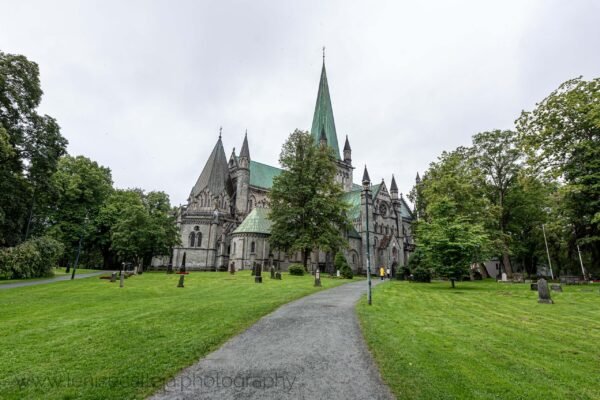
Bodø
3 nights in Lofoten Islands
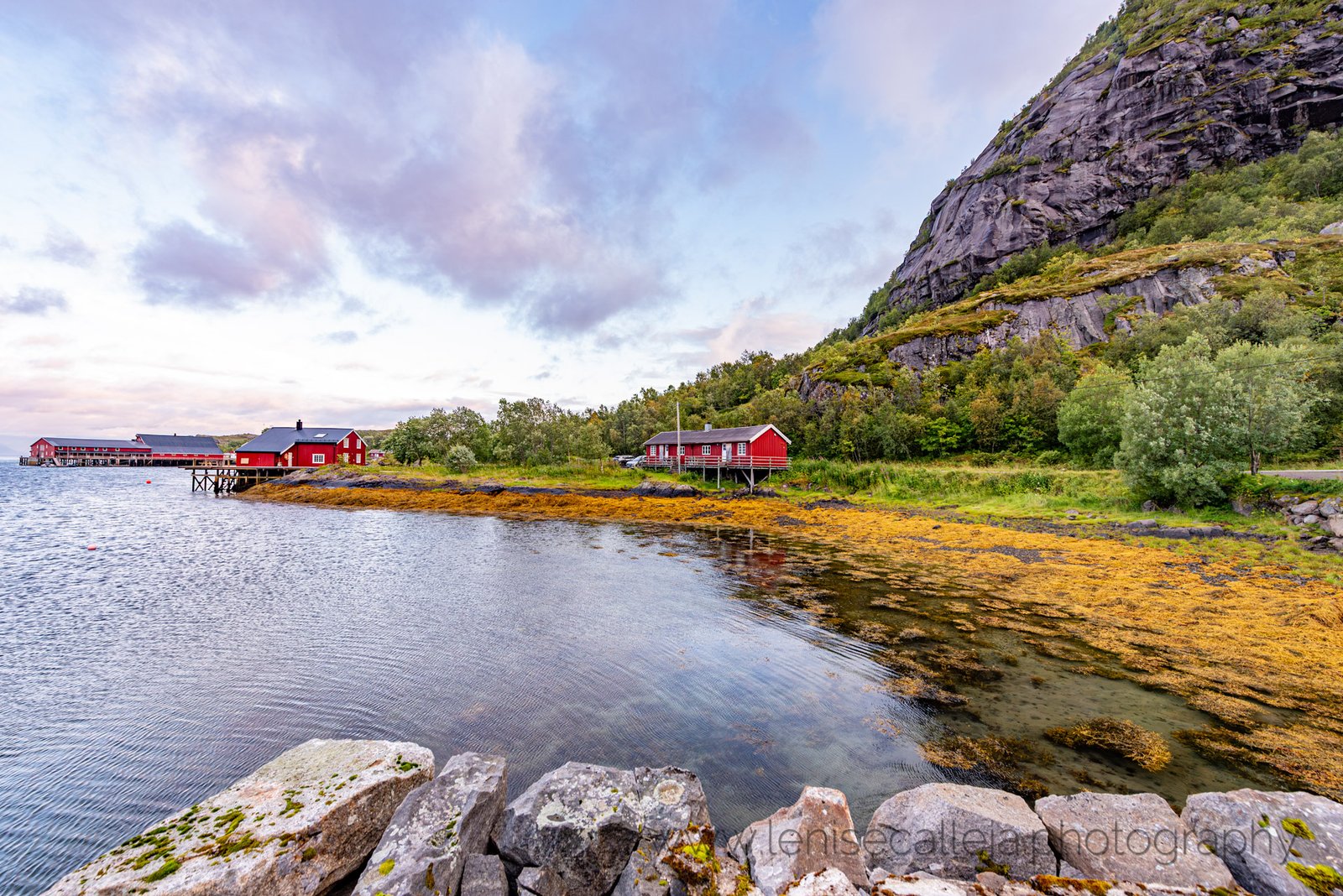
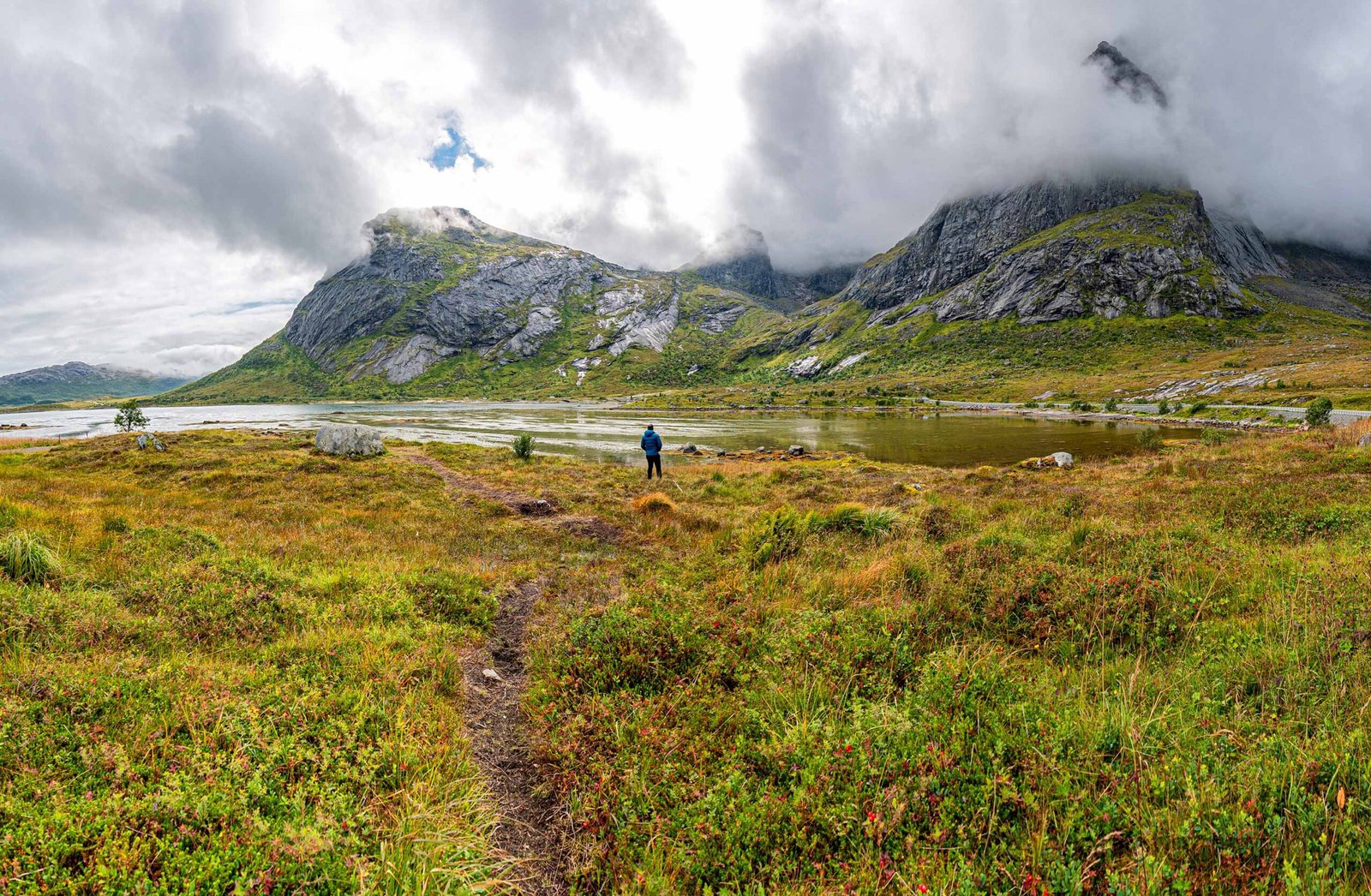
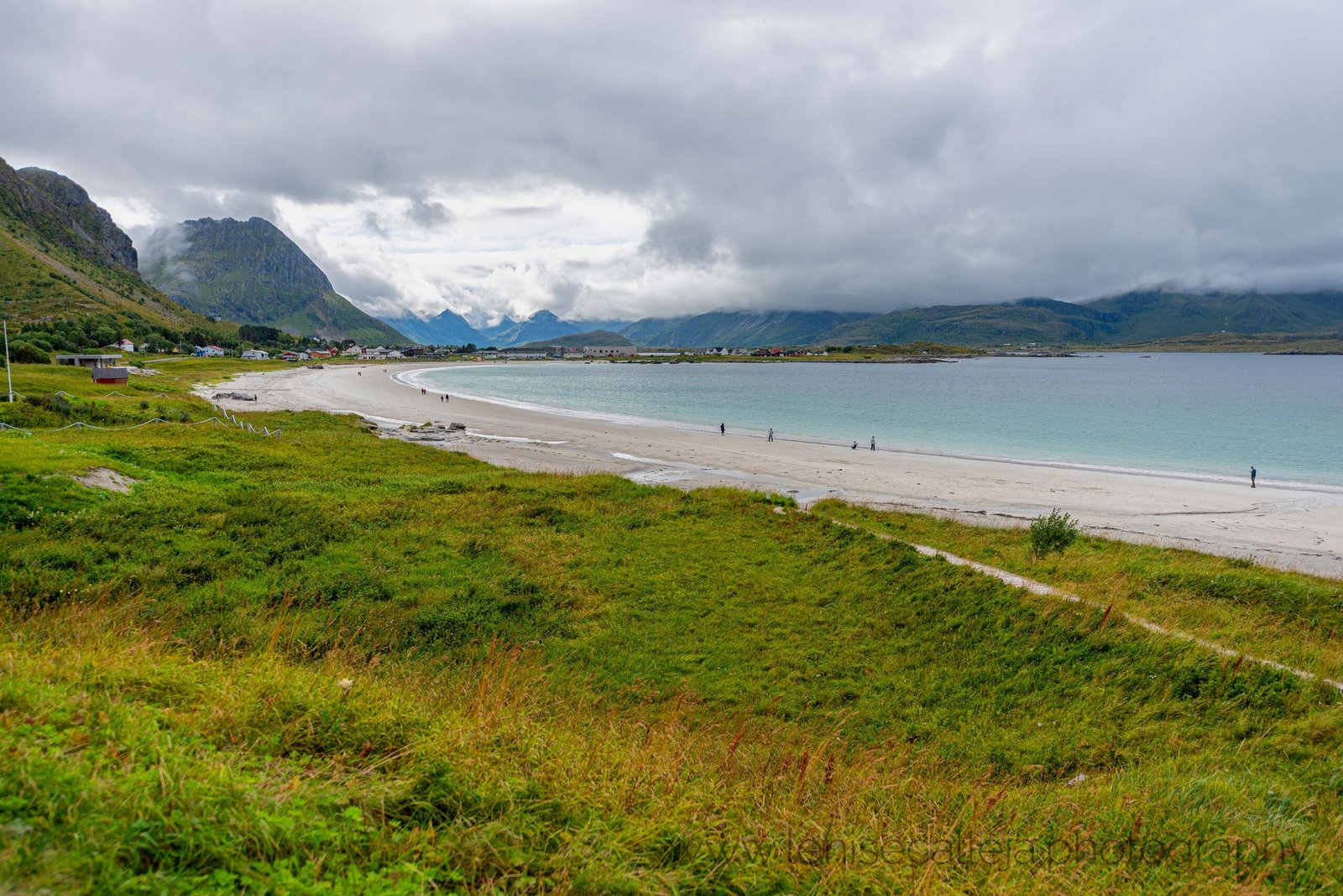
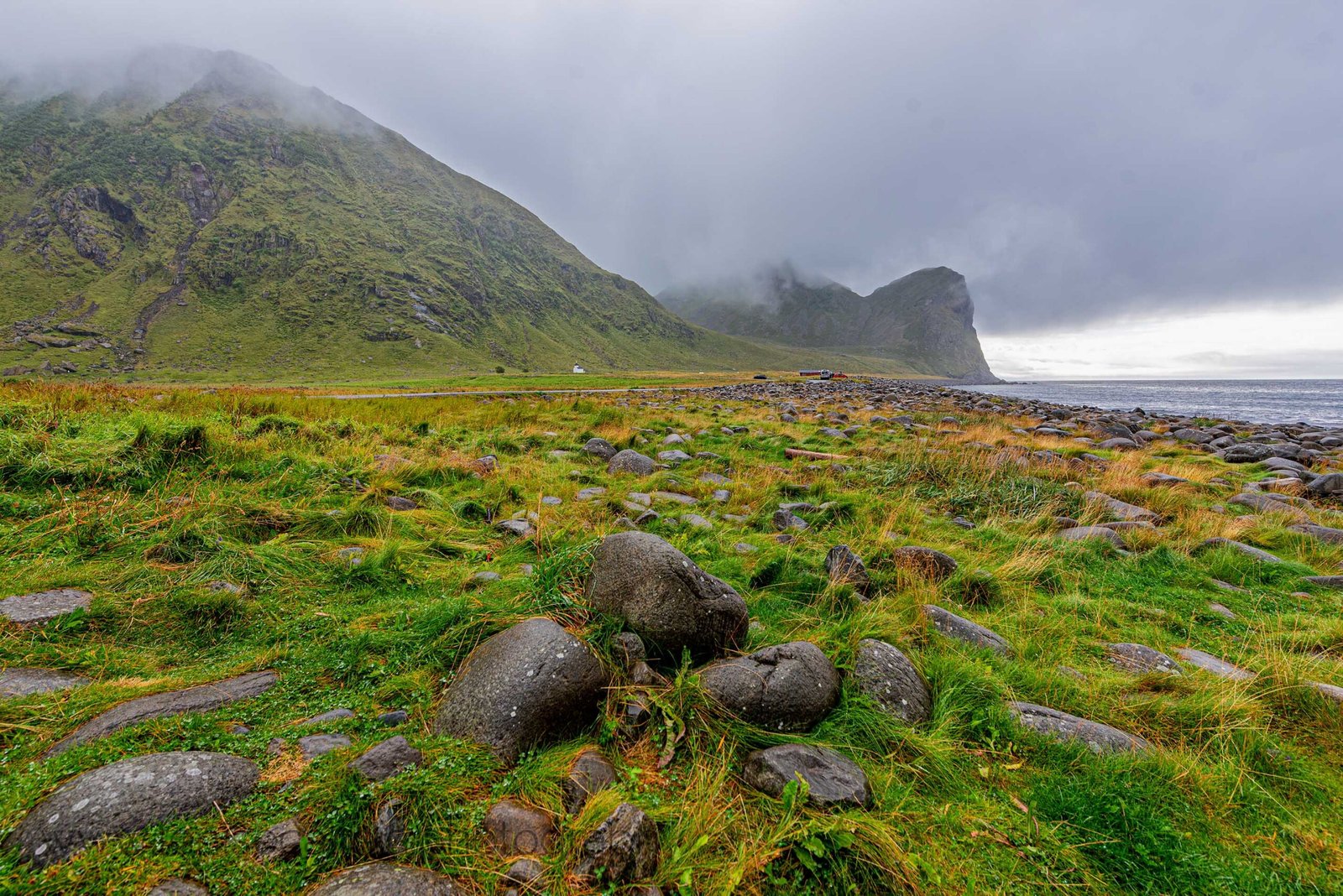
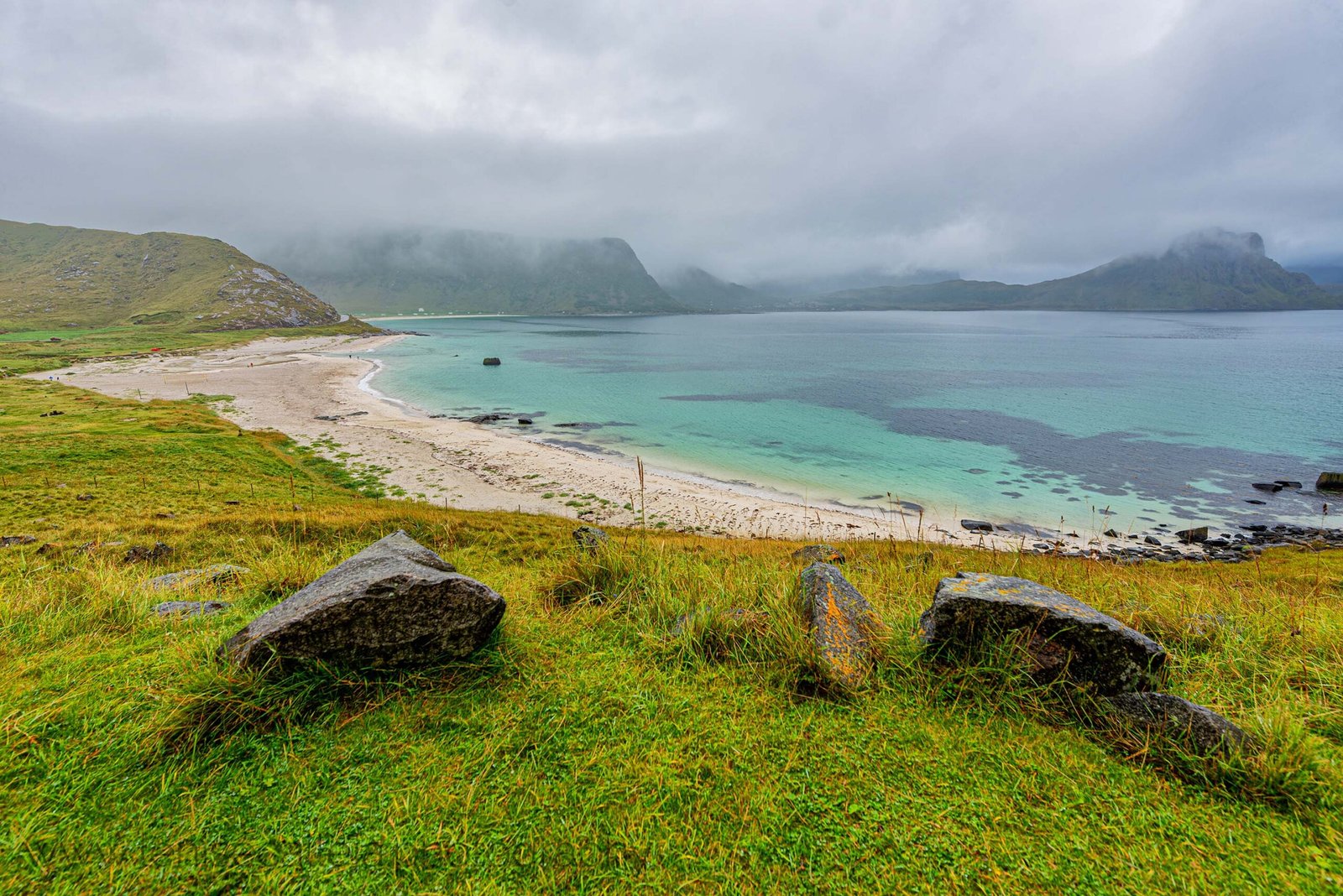
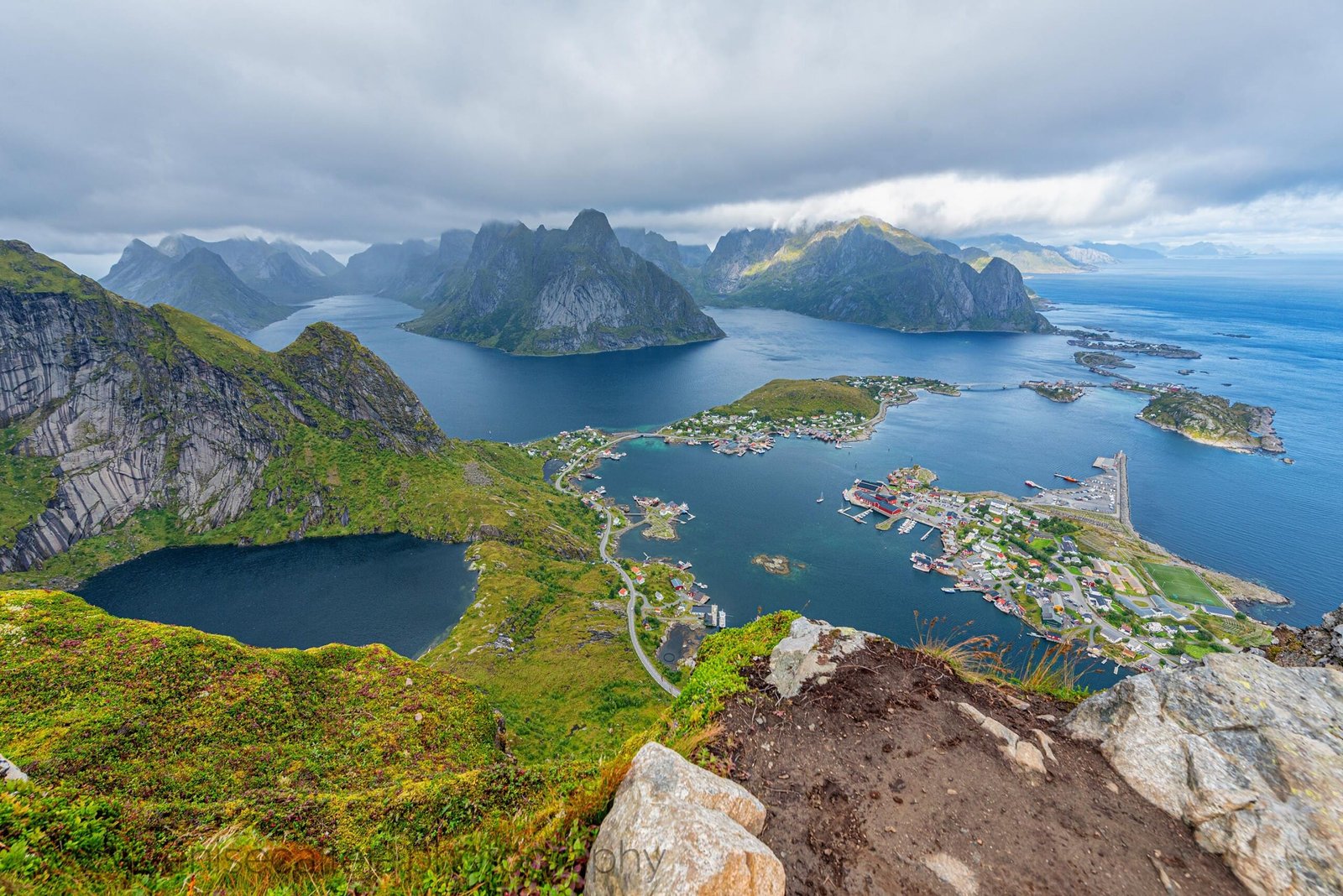
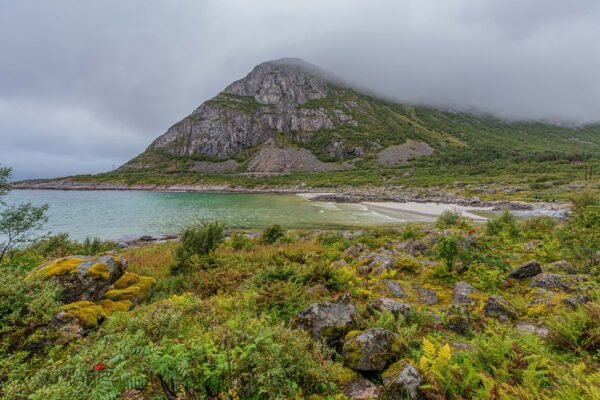
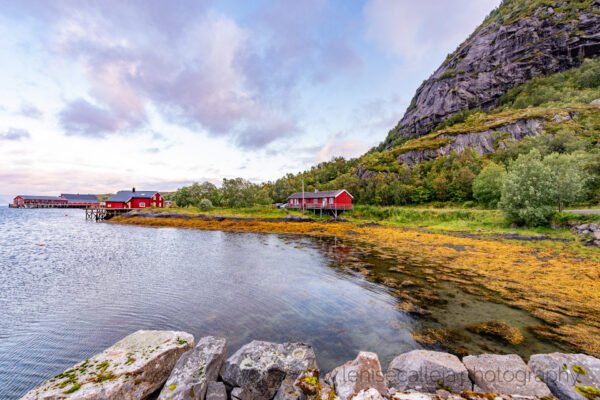
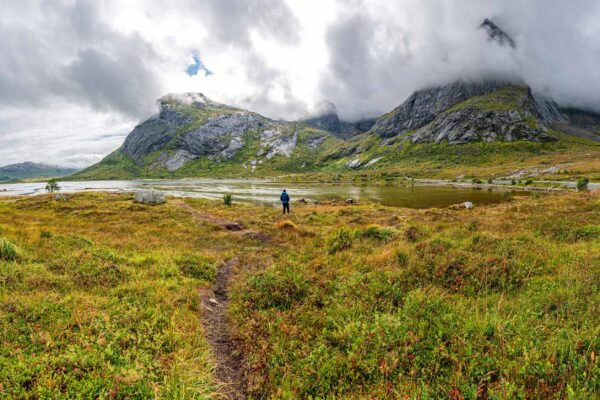
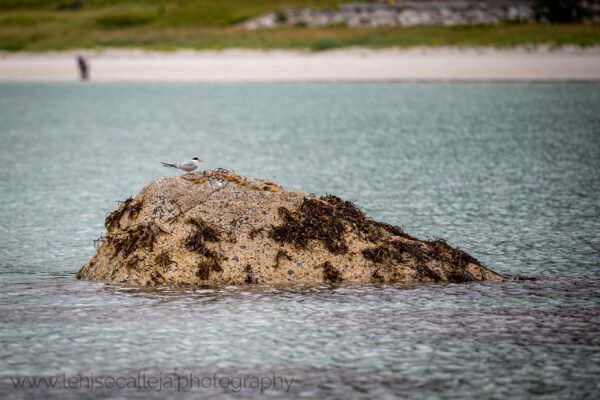
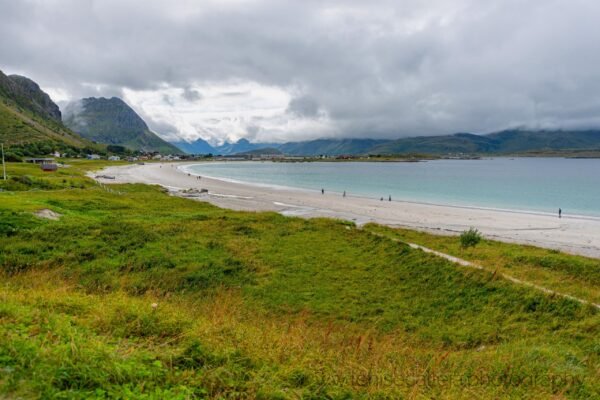
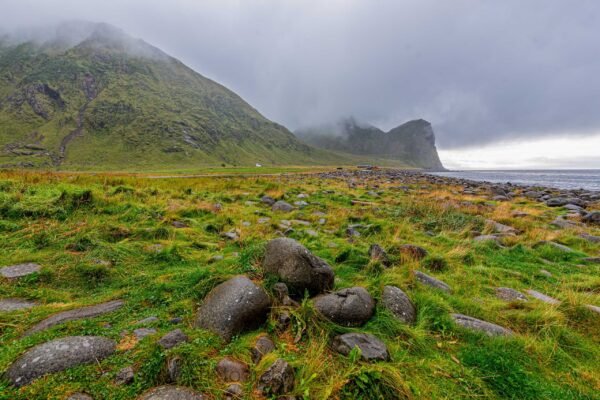
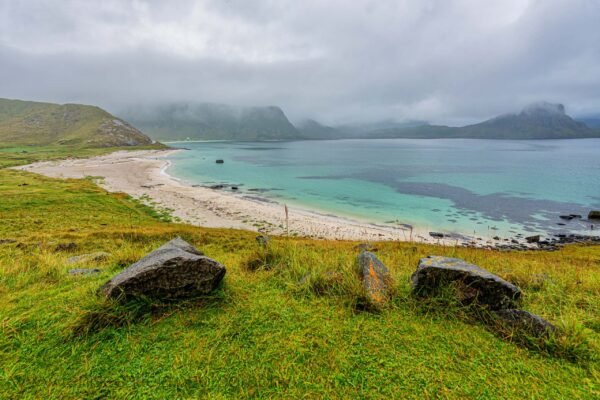
The Lofoten Islands were a dream come true. The scenery is simply extraordinary, with dramatic mountains rising straight from the sea, colourful fishing villages and beautiful beaches. However, their popularity has increased considerably over the years, and they are no longer the quiet and untouched destination many people imagine. We visited during the second half of August, when Norwegian schools had already resumed, but there were still plenty of European tourists around, particularly Italians, French and Germans.
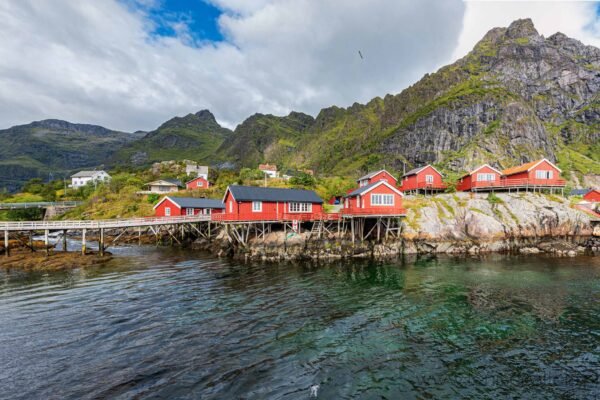
In Lofoten we stayed in a converted fishing village with traditional rorbu cabins. The accommodation was basic but served its purpose. We docked in Svolvaer late at night and didn’t wish to drive for hours in the dark. So we stayed close to Svolvaer. This meant that we had to drive south to get to the most popular places to visit in the Lofoten. I would suggest staying further south if you wish to minimise driving time.
🗺️ Planning your own Norway adventure?
Many of the exact photography locations, scenic viewpoints and lesser-known places featured in our Norway journey are included in my Norway Google Map.
Save yourself hours of research and discover the places we found during our own trip.
Explore my Norway Travel & Photography Map.
3 nights in Vesterålen Islands
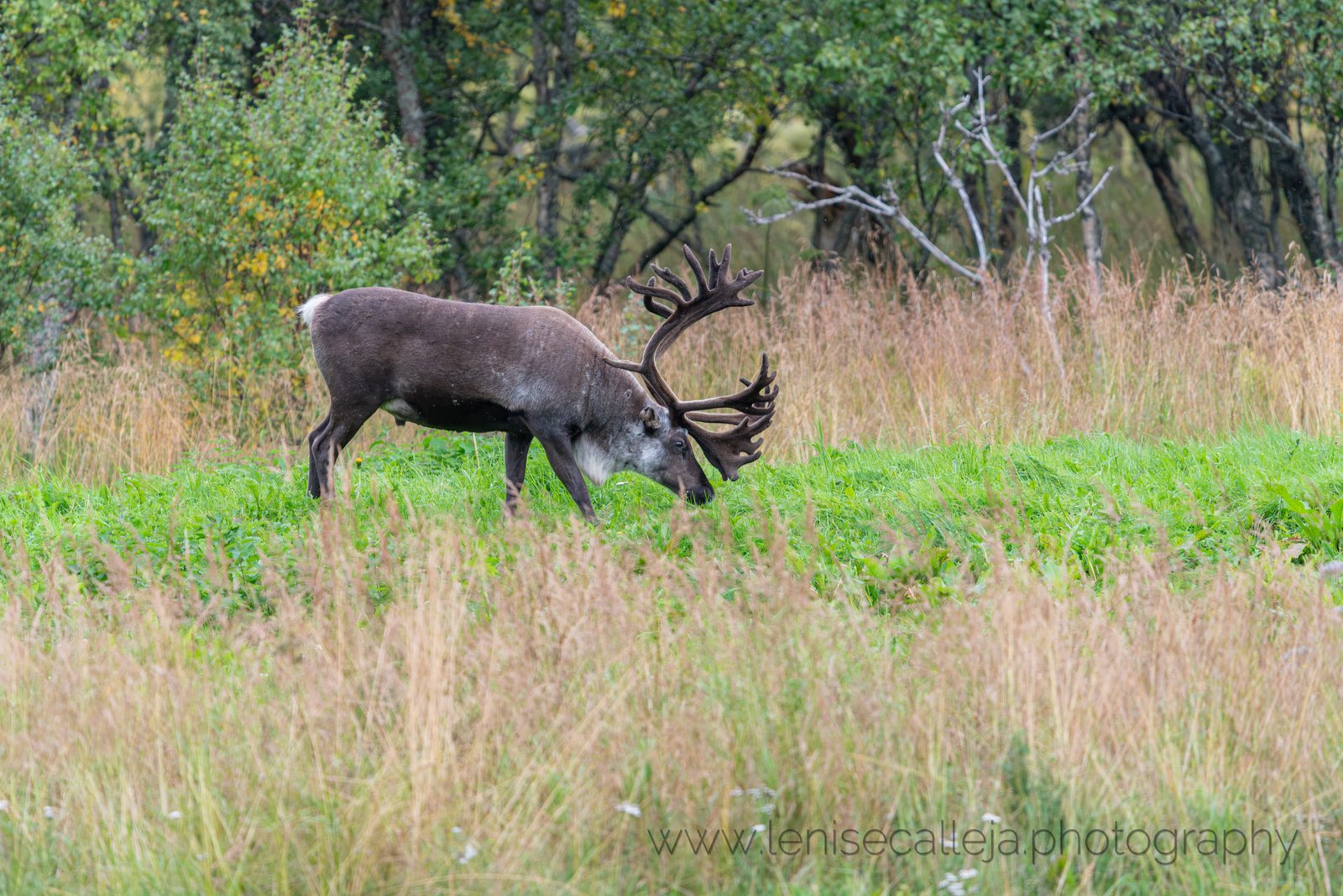
Vesterålen turned out to be one of the biggest surprises of our entire Norway trip! Originally, we had only planned a short stay here to get closer to the airport before flying home. However, while researching the area, I discovered how wild, remote and relatively untouched these islands appeared to be compared with the more famous Lofoten Islands. I quickly changed our plans and decided to dedicate three nights to exploring this region.
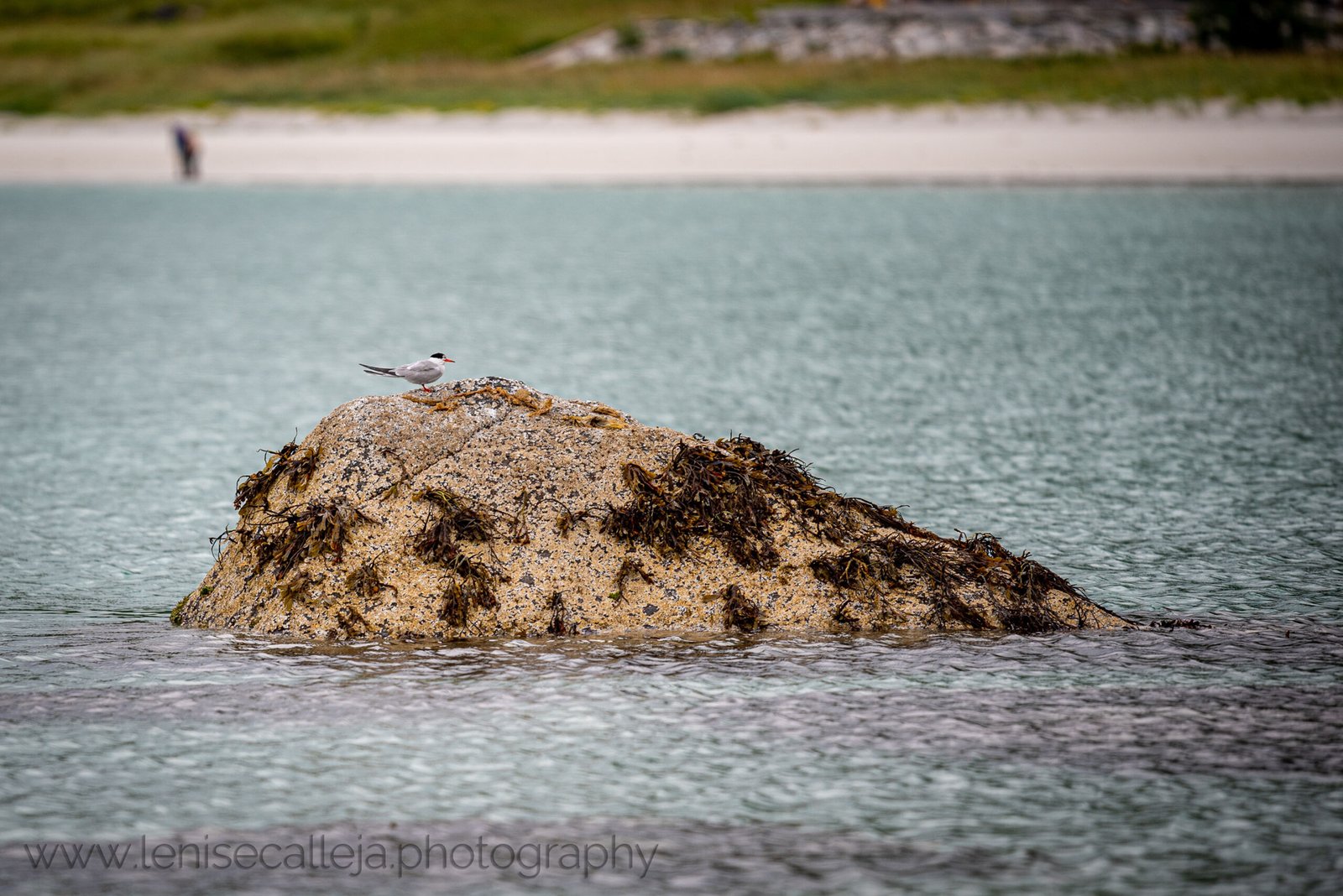
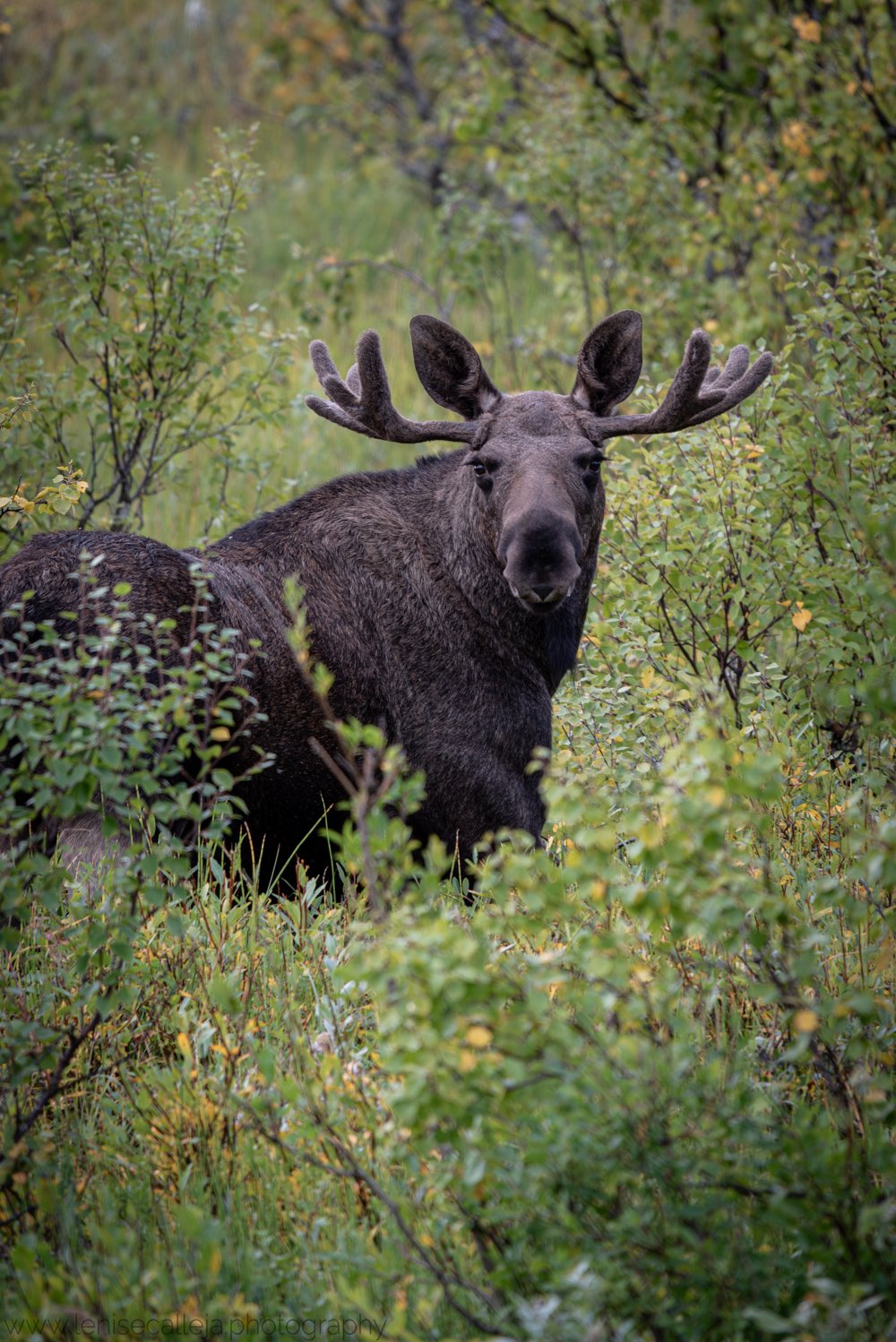
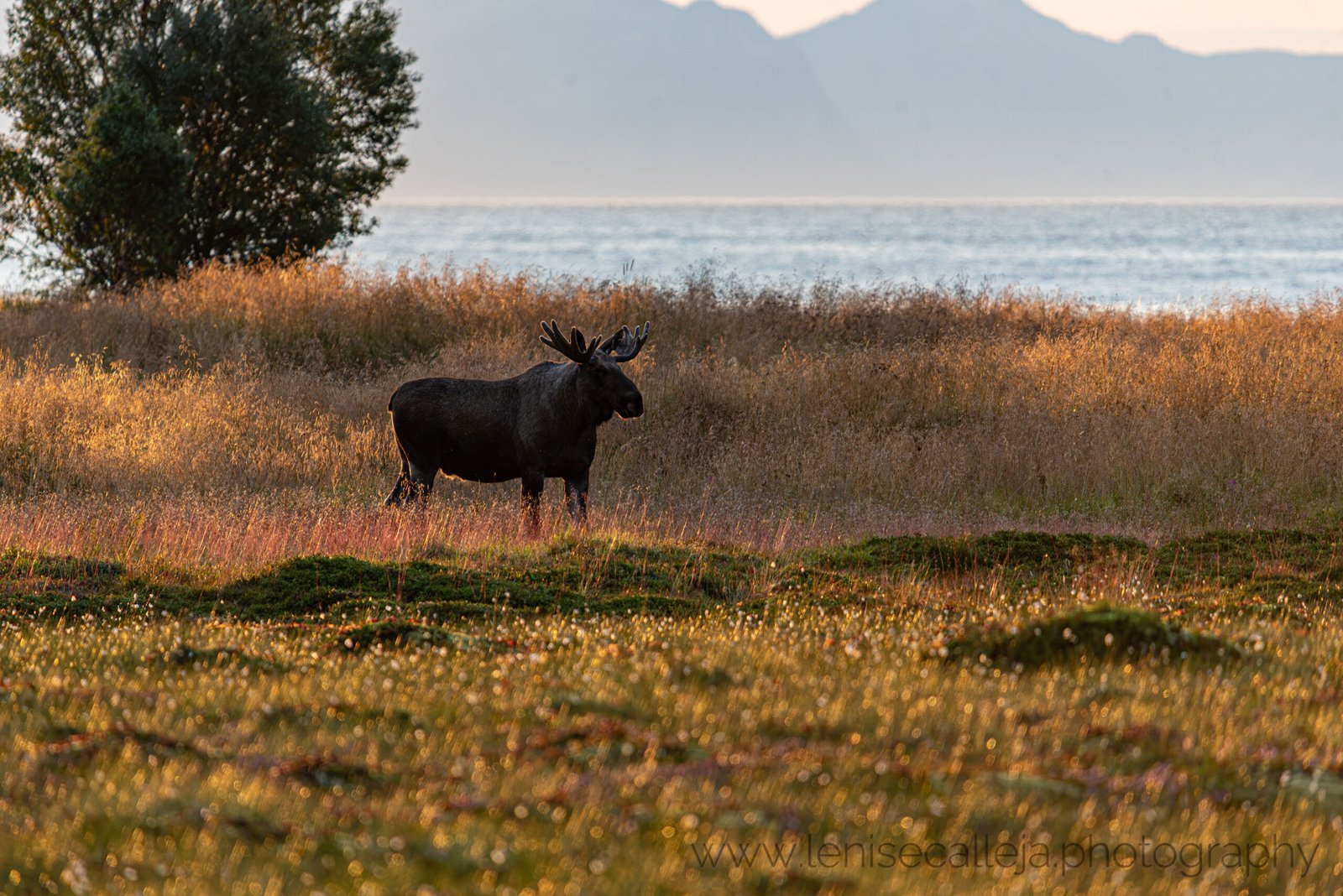
And I’m so glad we did! Vesterålen offered a completely different atmosphere, with dramatic coastal landscapes, abundant wildlife, beautiful mountain scenery and a much quieter feel.
Is Vesterålen worth visiting?
Absolutely if time allows! We loved this area and hardly met any tourists around.
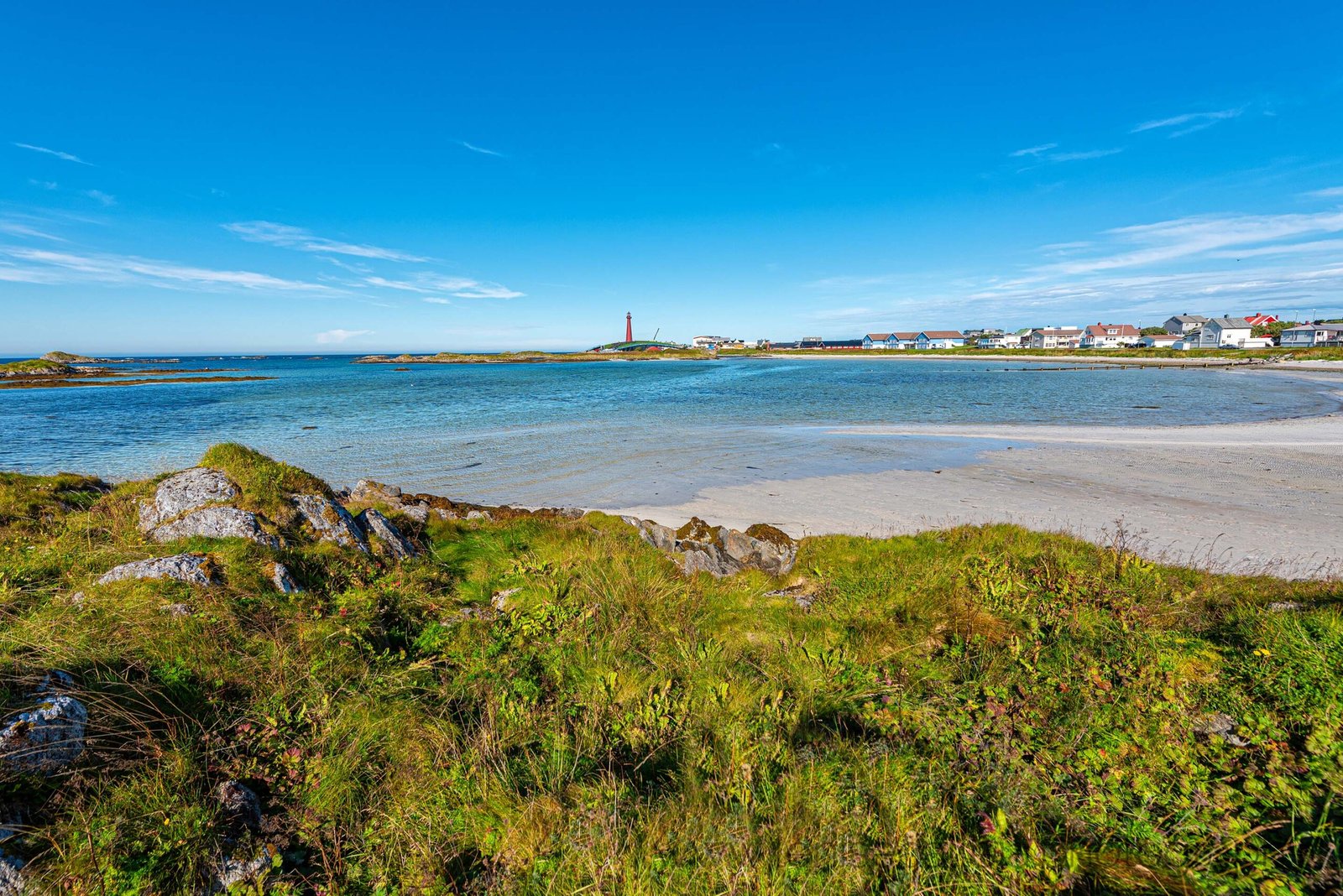
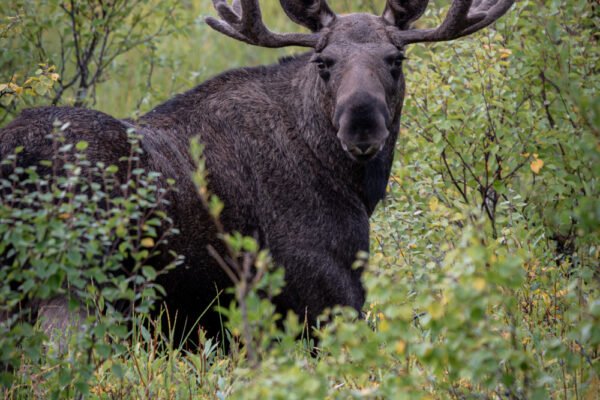
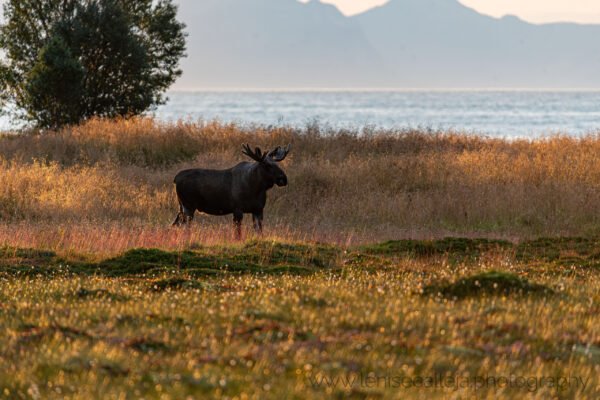
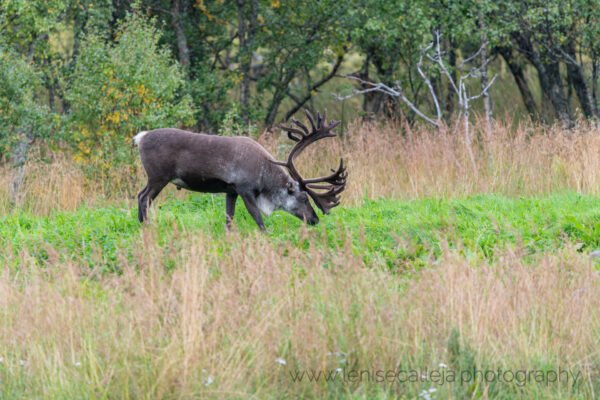
📍 Want to discover the exact locations featured in these photographs? Find many of our favourite photography spots and hidden gems on my Norway Google Map!
Budgeting Tips
Norway is an extremely expensive destination. The most expensive I have been to so far. Here are some tips to reduce the costs that will help you afford visiting Norway for a longer trip like we did:
Flights to Norway: Booking Multi-City Tickets
We booked our multicity flights through Lufthansa. Their timings were just perfect. We booked our flights 6 months before and paid around 400 euros per person. Flights included 1 hand luggage per person and we just added 1 23kg checked in luggage for just 40 euros.
Malta – Frankfurt – Bergen
Evenes – Vienna – Malta
Accommodation
Hotels in Norway can be particularly expensive, especially when travelling as a family. We found that renting larger apartments or houses was much better value, particularly as we were travelling with another family and could split the costs. We opted for Airbnbs and campsites. Whenever possible, sharing accommodation costs with another family can make a big difference. We stayed in larger houses (2 or 3 bedrooms) to split the costs. Our budget per night for the accommodation was around 280 euros that we split between 2 families: amounting to 140 per night per family.
Food and Drinks
Eating out regularly can quickly become one of the biggest expenses of a trip to Norway. The price of a pizza or burger starts from 25/30 euros from restaurants. So choosing to cook your own food will help you save a lot of money. Buying food from supermarkets is not cheap either. We spent around 50 euros per day for a family of 4 on food (breakfast, bread for lunch, snacks and a proper meal in the evening).
Avoid alcohol: Alcohol is expensive (heavily taxed) and difficult to buy. You can find beers and ciders (with lower alcohol percentages) in supermarkets. However if you wish to buy wine and other liquors with higher alcohol percentages you need to go to specific shops (Vinmonopolet) that are government owned shops open only during weekdays until 18:00. The higher the alcohol percentage, the higher the tax will be.
Getting Around
We chose to drive and this is where the bulk of our money went. Car rental was extremely expensive as we opted for a bigger 7/9 seater car (we were 2 families). I would suggest that if you are 2 families you rent 2 separate cars if possible. Our budget for the rental cars was 340 euros per day that is 170 euros per day per family.
Fuel costs are expensive as well. Depending on rental prices and your itinerary, renting an electric car could also help reduce running costs. However, you should plan your charging stops carefully, particularly when travelling through remote areas. Fast electric chargers are very frequent in Norway, however you must plan ahead as you do not wish to run out of charge in the middle of nowhere.
Is August a good time to visit Norway?
We travelled in August mainly to escape the extreme heat we have at home in Malta. Norway has cool temperatures in summer, long hours of daylight and relatively good weather. Following several consecutive rainy days in Vestland region, we finally had some sunshine during our stay in Nordland region.
Northern Norway was everything I had imagined and more. The Lofoten Islands lived up to their reputation, but it was Vesterålen that surprised me the most. I loved the contrast between the dramatic landscapes, picturesque fishing villages and the feeling of being surrounded by nature.
Looking back, I wouldn’t change our decision to travel north by Hurtigruten and spend time exploring both island regions by car. It was an unforgettable part of our Norwegian adventure and somewhere I would happily return to.